
Hardscapes Explained
What Are Hardscapes?
A Clear Guide to the Structure Behind Outdoor Design
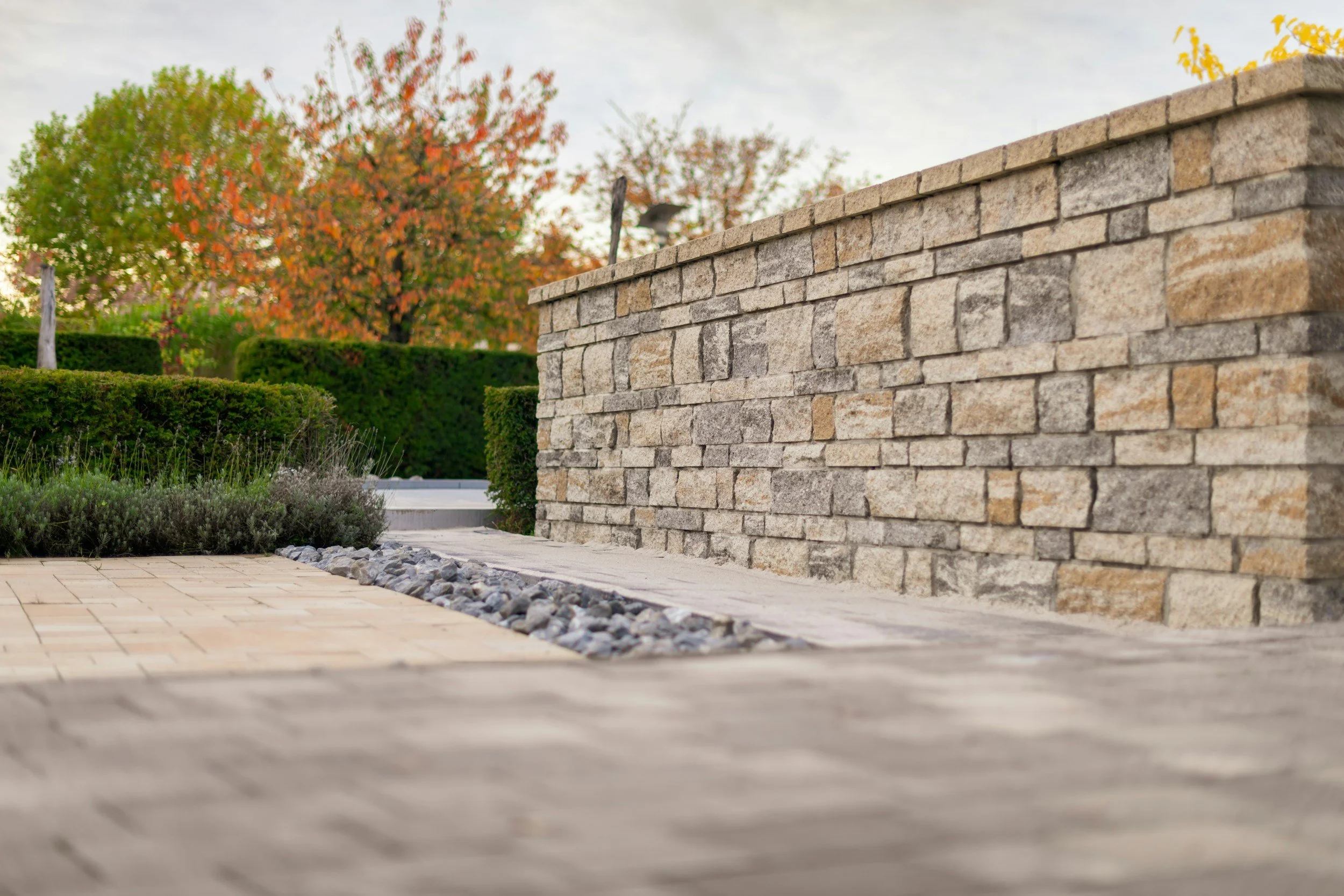
Hardscapes are the permanent, built elements that shape how an outdoor space functions—paths, patios, walls, and structures that define the layout.
Hardscapes are the non-living, structural elements of a landscape.
These include built features such as patios, walkways, retaining walls, decks, and stone structures made from materials like concrete, brick, pavers, wood, and metal.
In simple terms: if it’s constructed and permanent, it’s hardscape.
Hardscaping forms the structural foundation of outdoor design, while plants and lawn areas — known as softscape — provide living texture and movement.
What Counts as Hardscape?
Common examples of hardscape elements include:
Hardscape materials typically include natural stone, concrete, brick, pavers, gravel, wood structures, and metal features.
Built structure
Hardscape refers to the built, structural components of a landscape—surfaces, walls, steps, and permanent outdoor features.
Living texture
Softscape includes the living elements—grass, trees, shrubs, flowers, and soil. It adds color, softness, and seasonal change.
A well-designed landscape integrates both. Hardscape provides structure and usability. Softscape brings the space to life.
Why Hardscaping Matters
Hardscaping serves both functional and aesthetic purposes:
1. Function
Patios create gathering spaces. Walkways improve circulation. Retaining walls manage grading and prevent erosion.
2. Structure
Hardscape design defines boundaries and organizes outdoor layouts.
3. Durability
Properly installed hardscape materials can last decades with minimal maintenance.
4. Property Value
Thoughtful hardscape landscaping enhances curb appeal and long-term property value.
When did the term “hardscape” become common?
While stone construction in landscapes dates back centuries, the term “hardscape” gained professional use in the mid-20th century. By the 1960s and 1970s, landscape architects and contractors began formally distinguishing between hardscape (structural elements) and softscape (plant material).
Today, the terminology is standard within residential and commercial landscaping industries.
Modern Hardscaping Trends
Contemporary hardscape design often includes:
- Permeable pavers for drainage
- Natural stone installations
- Integrated landscape lighting (and when lighting meets technology, reliable infrastructure matters)
- Outdoor living rooms
- Fire features
- Sustainable material choices
As outdoor spaces increasingly function as extensions of the home, residential hardscaping has become central to landscape planning.
Frequently Asked Questions
What are examples of hardscape?
Is a deck considered hardscape?
Is mulch hardscape or softscape?
How long do hardscapes last?
Planning an outdoor space that feels intentional?
The best results come from coordination—structure, lighting, and the technology that powers outdoor living.