
Dedicated landscape-lighting design · The Hamptons
Professional Landscape Lighting Design in the Hamptons
Work with a dedicated landscape lighting designer to shape how your home, gardens and outdoor spaces are experienced after dark—from the first fixture-by-fixture plan to final nighttime aiming.
Begin with the property—not the fixtures.
Tell us what you are planning and how you want the property to feel after dark. We will help define the right design path.
Designer versus installer
Lighting should be designed—not simply installed.
An installer can place fixtures and connect a system. A landscape lighting designer begins earlier: determining what deserves emphasis, what should remain in shadow, how people move through the property and how each illuminated view relates to the next.
That distinction matters on Hamptons properties, where architecture, mature plantings, water, hardscape and views from inside the home must read as one composition. The design considers beam direction, glare, fixture visibility, zoning, controls and coastal exposure before installation begins.
Every fixture needs a reason to exist. Every beam needs a destination.

What professional design changes
A complete nighttime experience—not a collection of fixtures.
Views are planned as scenes.
We study arrival, circulation, outdoor living areas and views from inside the home so the property unfolds with intention after sunset.
Glare is controlled.
Beam direction, shielding, output and fixture placement are considered together so the light reveals the property without becoming the focal point.
Each fixture has a purpose.
Fixture locations, types, beam spreads, transformers, zones and control intent can be documented according to the selected design scope.
The project team stays aligned.
We coordinate with architects, landscape architects, builders, pool contractors, hardscapers and electricians around infrastructure and installation timing.
Materials suit the environment.
Fixtures, connections and placement strategies are selected with salt air, irrigation, storms, sandy soil and seasonal conditions in mind.
The design is finished after dark.
Beam angles, brightness, glare and visual balance are refined in the conditions for which the system was created—not only on paper or during daylight.

Design deliverables
A plan the full project team can use.
The appropriate level of documentation depends on the property, construction stage and who will install the system. A focused improvement may need less documentation; a full estate or new-construction project benefits from a more developed plan.
Lighting intent
What is illuminated, why it matters and how the property should feel after dark.
Fixture-by-fixture plan
Proposed locations, fixture types, beam direction and application notes by scope.
Infrastructure planning
Transformer, wiring, conduit, load and control requirements coordinated before conditions close.
Zoning and scenes
Control intent for schedules, keypads and compatible Lutron, Savant or Control4 scenes.
For trade coordination, see how we work with architects, builders and landscape professionals.
Our landscape lighting design process
From the first site conversation to final night aiming.
One coordinated process protects the design intent through planning, installation and refinement.
Discover the property
We discuss how you arrive, entertain, move through the landscape and experience exterior views from inside the home.
Define scope and design
We establish the appropriate design package, develop the composition and document fixture, infrastructure and control intent by scope.
Coordinate and install
Our team coordinates with the other project disciplines and carries the approved design through a clean, carefully sequenced installation.
Aim after dark
We return at night to refine beam angles, intensity, glare and visual balance, then support the system as the landscape changes.

Design leadership
Meet Vanessa Kordich.
Vanessa leads the visual composition of HLL projects, shaping how architecture, gardens, water and circulation are experienced after sunset.
Her process is collaborative and site-specific. She works from the property itself—its views, mature plantings, architectural materials and patterns of use—then coordinates the lighting plan with the homeowner and project team.
The design continues after installation. Night aiming is where beam angles, intensity and visual balance are refined in the conditions the system was designed for.
Learn more about Vanessa's design background and philosophy.
Selected work
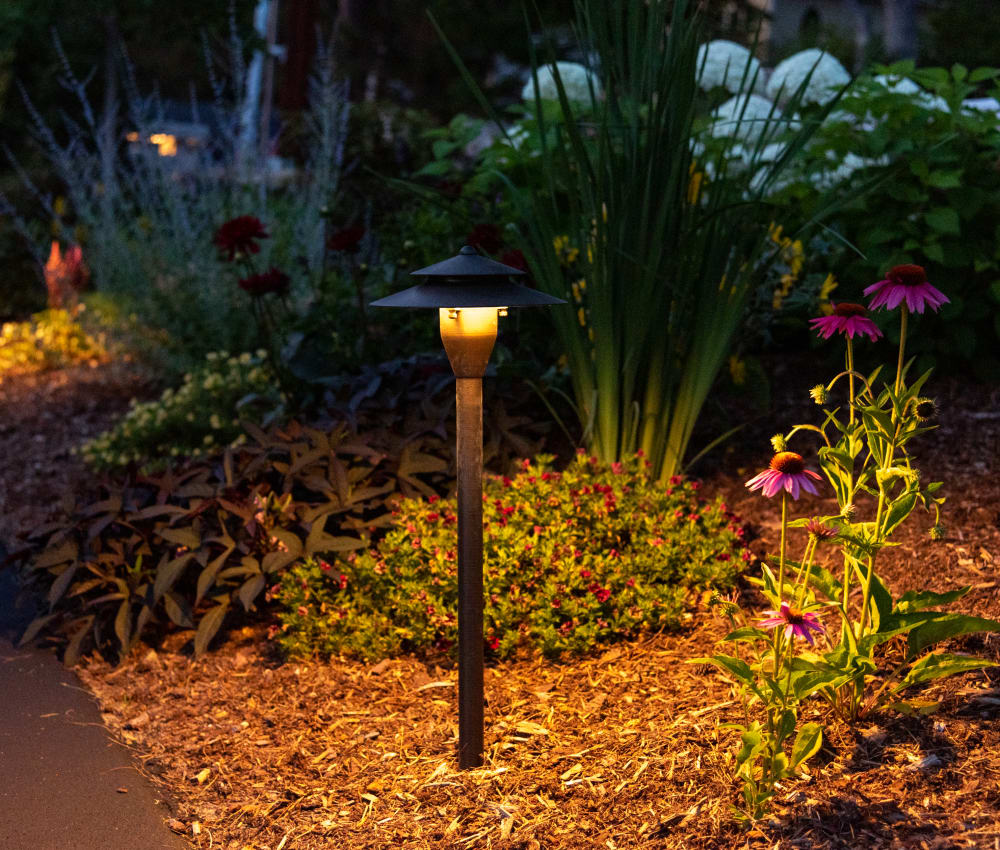
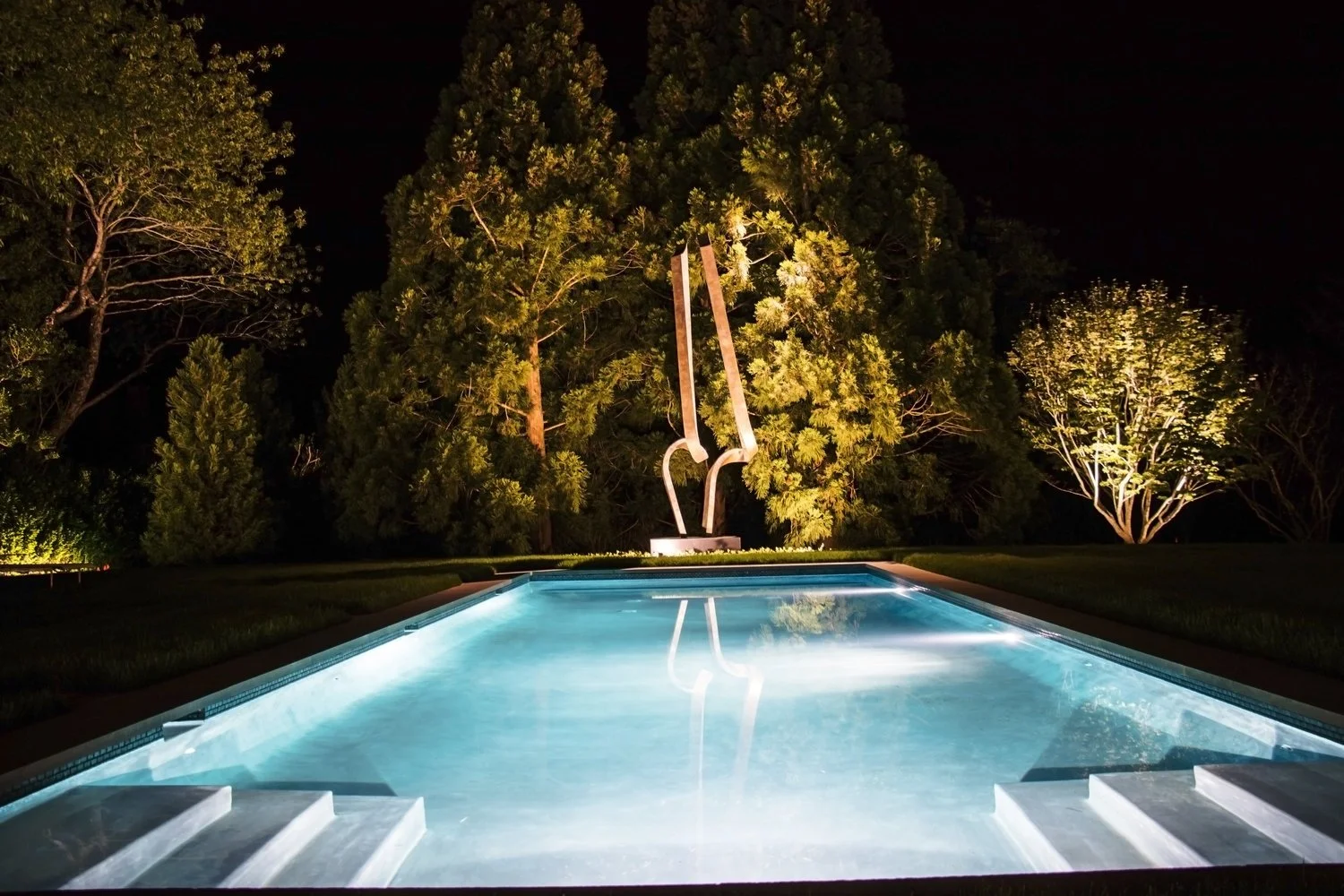
Designed for how the property lives after dark.

Landscape lighting designer FAQ
Questions to ask before the first fixture is installed.
What does a landscape lighting designer do?
A landscape lighting designer plans how architecture, plantings, circulation and outdoor living spaces will be experienced after dark. The work can include lighting intent, fixture selection and placement, beam direction, transformer and wiring requirements, zoning, control coordination, installation oversight and professional nighttime aiming.
What is the difference between a landscape lighting designer and an installer?
An installer focuses primarily on building and connecting the system. A designer defines the visual composition and technical intent before installation: what should be illuminated, what should remain in shadow, how glare will be controlled and how each fixture contributes to the complete nighttime experience. HLL can provide both design and turnkey installation.
When is a landscape lighting design retainer appropriate?
A separate design phase is most useful for larger estates, new construction, major renovations, complex landscapes, projects involving several trades or clients who need detailed documentation before committing to installation. Focused upgrades with a clear scope may be able to move directly from site review to a practical budget and proposal.
What can a professional landscape lighting plan include?
Depending on the selected scope, a plan can include fixture locations and types, beam spreads and aiming intent, transformer locations, wiring or conduit requirements, loads, zones, schedules, scene intent, installation notes and coordination information for the architect, landscape architect, builder and electrician.
Can HLL provide design-only services?
Yes. Design-only work can be defined separately from turnkey delivery when the project requires a lighting plan for another qualified team to install. The documentation, coordination and site involvement should be established at the beginning so responsibilities for installation, commissioning, aiming and ongoing service remain clear.
How does HLL collaborate with architects and landscape architects?
HLL reviews the relevant architecture, planting, grading and hardscape information; coordinates fixture intent and infrastructure; and clarifies responsibilities with the builder, electrician and landscape team. Early involvement helps protect conduit routes, transformer locations, control requirements and fixture placement before construction conditions become difficult to change.
Why is professional nighttime aiming necessary?
Beam spread, glare, brightness, shadow and the relationship between illuminated areas cannot be judged accurately in daylight. Night aiming allows each fixture to be adjusted under real conditions so the complete property feels balanced, comfortable and intentional.
Can exterior lighting integrate with Lutron, Savant or Control4?
Yes. Through HLL's relationship with Home Technology Experts, compatible exterior zones can be coordinated with schedules, astronomical timeclocks, keypads and whole-home scenes using Lutron, Savant or Control4 systems.
Why does landscape lighting in the Hamptons require coastal planning?
Salt air, moisture, irrigation, storms, sandy soil, freeze-thaw cycles and seasonal landscape work can affect fixtures, connections, wiring and aiming. Coastal projects benefit from materials, connections and placement strategies selected for those conditions, followed by ongoing inspection and adjustment as the landscape changes.
Southampton based · serving the East End
Landscape lighting design across the Hamptons.
HLL designs landscape lighting for properties in Southampton, Water Mill, Bridgehampton, Sagaponack, Sag Harbor, East Hampton, Amagansett, Montauk, Wainscott, Hampton Bays, Quogue, Westhampton Beach and nearby East End communities. Design consultation is also available for selected projects beyond the Hamptons.
See what the property can become after dark.
Bring us into the conversation early enough to coordinate the lighting design with the architecture, landscape and way you plan to live outdoors.
Towns We Service
East End
Montauk | Amagansett | East Hampton | Wainscott | Sagaponack | Bridgehampton | Water Mill | Southampton | North Sea |
Sag Harbor | Noyack | Hampton Bays | Quogue | East Quogue | Westhampton
North Fork
Riverhead | Aquebogue | Jamesport | Laurel | Mattituck | Cutchogue | Peconic | Southold | Greenport | East Marion | Orient | Orient Point
Nassau County
Glen Cove | Long Beach | Hempstead | North Hempstead | Oyster Bay | Garden City | Great Neck | Manhasset | Roslyn | Port Washington | Rockville Centre | Oceanside | Merrick | Bellmore | Massapequa | Plainview | Jericho | Syosset | Woodbury | East Meadow | Levittown