
2026 Outdoor Lighting Trends in the Hamptons: Beauty, Resilience, and Long-Term Value
Outdoor lighting in the Hamptons is becoming more thoughtful, more integrated, and more focused on how a property performs after sunset.
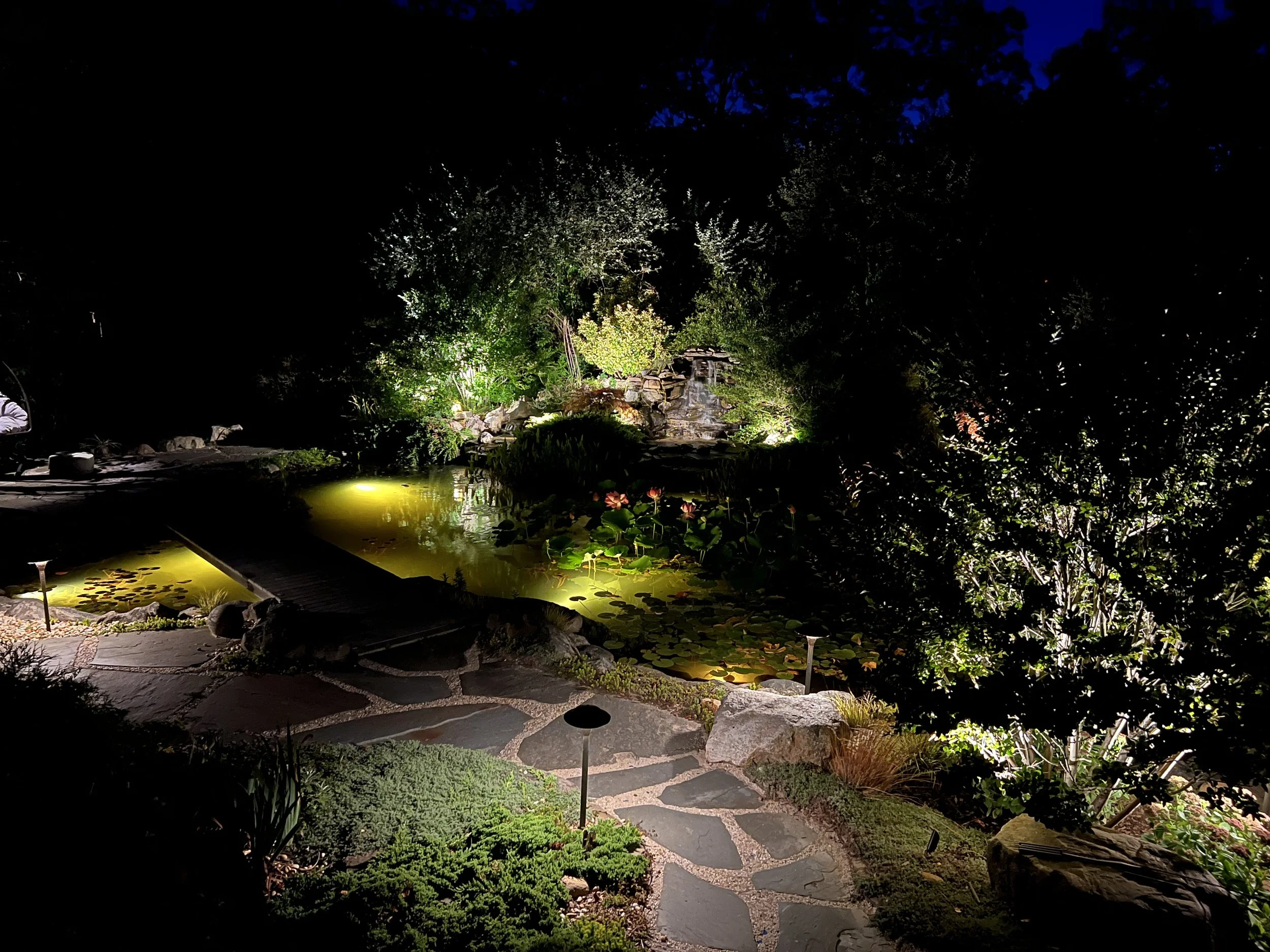
In 2026, homeowners are looking beyond simple curb appeal. The strongest lighting plans are designed around atmosphere, safety, seasonal use, and long-term ease of ownership.
The result is a more refined nightscape: warm, practical, and built to support the way people actually live outdoors.
Lighting Is No Longer an Afterthought
One of the clearest shifts we are seeing is that outdoor lighting is being planned as part of the overall landscape, not added at the end.
Pathways, patios, gardens, pool areas, outdoor kitchens, and entry points all benefit from a coordinated lighting strategy. When lighting is considered early, it feels natural to the property. It supports movement, improves visibility, and creates a quiet sense of arrival without overwhelming the architecture or landscape.
In the Hamptons, where outdoor living is central to the home, this kind of planning matters. A well-lit property should feel effortless at night.
Subtle Atmosphere Is Replacing Over-Lighting
Homeowners are moving away from bright, uniform lighting and toward softer, more layered effects.
The goal is not to light everything. It is to reveal what matters.
That may mean a warm wash across a stone wall, a gentle glow along a walkway, or carefully placed lighting that brings depth to plantings after dark. The best designs create subtle drama while preserving the natural beauty of the property.
This approach feels especially appropriate for Hamptons homes, where restraint often creates the most elegant result.
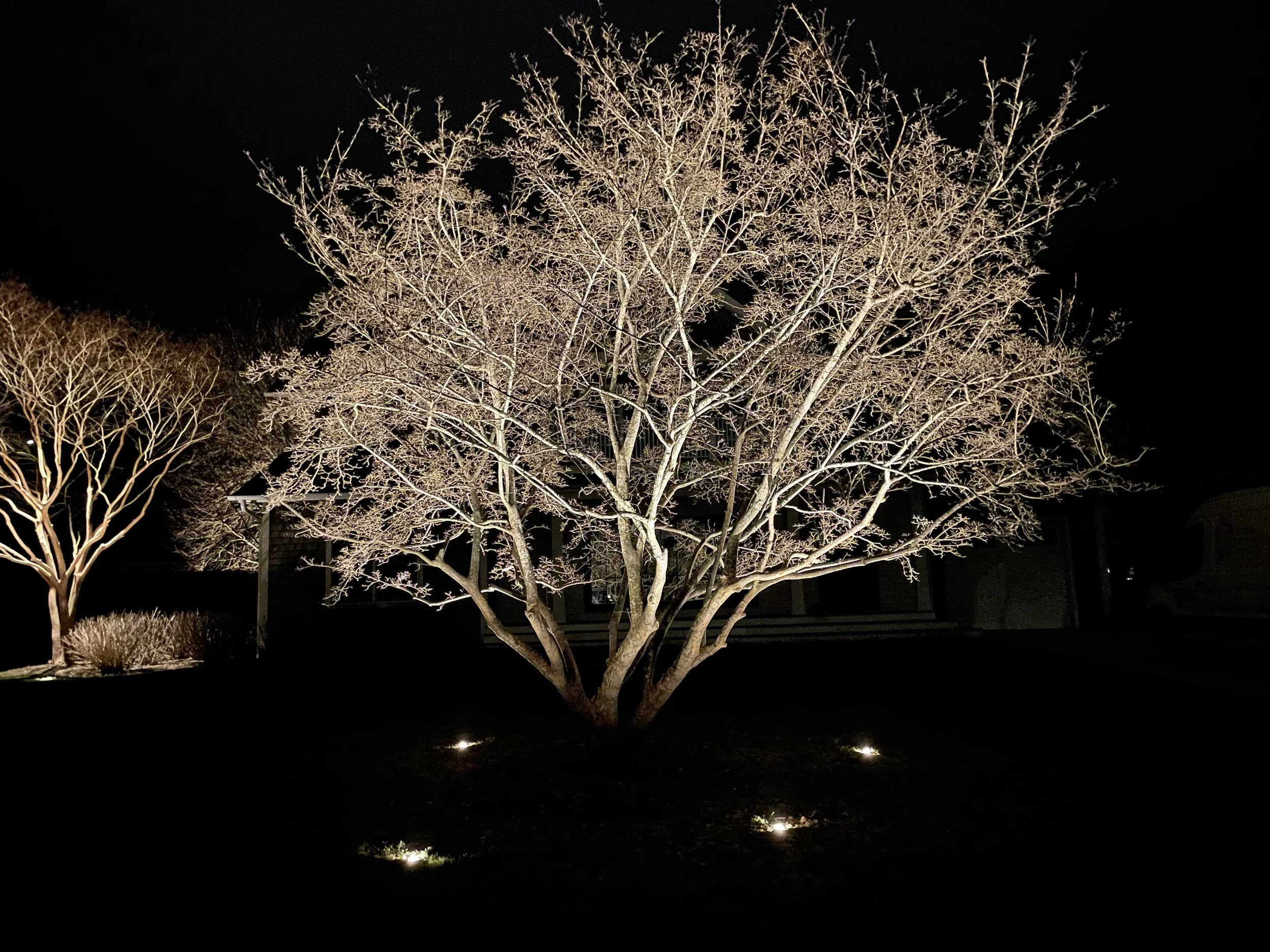
Sustainability Is Shaping Lighting Choices
Sustainability is also becoming a more practical design priority.
Energy-efficient fixtures, thoughtful placement, and smarter control strategies can reduce waste while improving the overall nighttime experience. Instead of using more light, homeowners are choosing better light.
That means lighting where it is needed, avoiding unnecessary glare, and designing systems that support the property without disrupting the surrounding environment.
For many Hamptons homeowners, this balance is important: a beautiful nightscape that also respects the landscape, the neighborhood, and the long-term value of the home.
Outdoor Spaces Are Being Designed Around Real Use
Lighting plans are becoming more closely tied to how homeowners actually use their outdoor spaces.
Where do guests gather? Which paths are used most often? How does the family move between the house, pool, driveway, and patio? What areas need quiet ambiance, and which need clearer visibility?
These questions are shaping better lighting design.
A dining terrace needs a different atmosphere than a front entry. A pool path needs a different level of clarity than a garden bed. A good lighting plan considers these differences from the beginning.
Simpler Designs Are Performing Better Over Time
Clean, structured lighting layouts are becoming more popular because they are easier to maintain and more visually refined.
Rather than relying on too many fixtures or overly complex effects, homeowners are choosing lighting plans with clear intent. Each fixture has a purpose. Each layer supports the larger composition.
This simplicity helps the property feel calm and polished at night. It also supports long-term performance, because the system is easier to service, adjust, and maintain as the landscape matures.
Hardscapes Are Becoming the Framework
Walkways, patios, retaining walls, steps, and outdoor rooms are playing a larger role in lighting design.
These elements create structure within the landscape, and lighting helps define that structure after dark. Step lights, path lighting, wall washes, and discreet accent lighting can make a property safer and more usable while also adding warmth and dimension.
In the Hamptons, where materials like stone, wood, gravel, and natural plantings are often central to the design, lighting can bring out texture without making the space feel overly staged.
Seasonal Planning Matters More
A strong lighting design should work beyond the summer season.
Plantings change. Trees lose leaves. Grasses shift in color. Outdoor spaces are used differently in spring, summer, fall, and winter.
In 2026, more homeowners are thinking about how their property looks and feels throughout the year. Lighting can help maintain interest through every season by highlighting structure, texture, and architectural features even when the landscape is not at its peak.
This is especially valuable for Hamptons properties that are enjoyed across multiple seasons, not just during summer weekends.
Long-Term Value Is Driving Better Decisions
The most important trend is a broader one: homeowners are thinking long term.
A well-designed outdoor lighting system should improve safety, support outdoor living, enhance the landscape, and remain serviceable over time. It should not feel like a decorative add-on or a short-term upgrade.
The best lighting decisions are the ones that continue to make sense years later.
For Hamptons homeowners, that means choosing a lighting plan with restraint, purpose, and durability. One that creates atmosphere without excess. One that supports the property as it changes. One that brings quiet elegance to the home every night.
The Future of Hamptons Outdoor Lighting
In 2026, outdoor lighting is becoming more intentional.
It is less about brightness and more about balance. Less about fixtures and more about experience. Less about making a property stand out and more about helping it feel complete.
For homeowners planning a new landscape, renovation, or outdoor living space, the best time to think about lighting is early in the process. When lighting is integrated from the beginning, the result is more seamless, more beautiful, and better built for the way the property will be used over time.
Planning a landscape lighting project in the Hamptons? Hamptons Landscape Lighting can help create a warm, refined nightscape designed around your home, landscape, and long-term use.
Frequently Asked Questions About Hamptons Outdoor Lighting Trends
What are the top outdoor lighting trends for Hamptons homes in 2026?
The strongest outdoor lighting trends for Hamptons homes in 2026 are softer layered lighting, earlier planning, sustainable fixture choices, hardscape lighting, seasonal design, and simpler systems that are easier to maintain over time. Homeowners are moving away from overly bright lighting and toward warmer, more intentional designs that support how the property is used after sunset.
What color temperature is best for outdoor lighting in the Hamptons?
Warm light is usually best for outdoor lighting in the Hamptons. It feels more natural against stone, wood, planting, shingles, and architectural details, and it avoids the harsh look that can come from overly cool or bright lighting. A warmer approach also helps the property feel more refined and comfortable at night.
How can outdoor lighting improve safety without looking too bright?
Outdoor lighting improves safety through thoughtful placement, not excessive brightness. Path lights, step lights, entry lighting, driveway lighting, and subtle illumination near grade changes can make the property easier to navigate while keeping the overall atmosphere calm and understated.
When should outdoor lighting be planned?
Outdoor lighting should be planned early in the landscape design, renovation, or outdoor living process. Early planning allows fixture locations, wiring, hardscape details, planting, controls, and maintenance access to be coordinated before the project is finished.
Why does seasonal planning matter for Hamptons landscape lighting?
Seasonal planning matters because Hamptons properties change throughout the year. Plantings grow, leaves drop, ornamental grasses shift, and outdoor spaces are used differently in spring, summer, fall, and winter. A strong lighting design accounts for those changes so the property still feels intentional beyond the summer season.
Is LED landscape lighting more sustainable?
LED landscape lighting can reduce energy use and support longer fixture life when paired with thoughtful placement and control. The most sustainable approach is not simply using efficient fixtures, but using the right amount of warm, well-placed light in the areas where it is actually needed.
What areas of a Hamptons property should be lit first?
Priority areas usually include entries, walkways, driveways, steps, patios, pool areas, outdoor kitchens, garden paths, and key landscape or architectural features. The right plan depends on how the property is used at night and where lighting will improve safety, atmosphere, and visibility.
How often should outdoor lighting be maintained?
Outdoor lighting should be reviewed at least once or twice a year, especially on Hamptons properties with seasonal planting, coastal weather, irrigation, and active outdoor use. Fixtures may need cleaning, adjustment, lamp replacement, wiring checks, or repositioning as the landscape matures.
Why is hardscape lighting important?
Hardscape lighting helps define walkways, steps, patios, retaining walls, and outdoor rooms after dark. It improves safety and usability while adding warmth, texture, and structure to the landscape. When planned carefully, hardscape lighting can make the property feel more complete without making it feel over-lit. When added as an after-thought it can appear dropped into place.
What makes a good Hamptons outdoor lighting design?
A good Hamptons outdoor lighting design feels warm, restrained, practical, and connected to the property. It should support movement, highlight important landscape and architectural features, improve safety, and remain easy to maintain over time. The best designs create atmosphere without drawing too much attention to the fixtures themselves.