Tips To Design Landscape Lighting
How to Design Landscape Lighting for Beauty, Safety & Ambiance
Designing landscape lighting is the art of shaping outdoor environments with intention—enhancing architectural character, improving safety, and creating a warm, inviting atmosphere. With thoughtful placement and premium fixtures, your property can transform beautifully after dark.
1. Understand the Purpose of Your Outdoor Lighting
Every successful lighting design begins with clarity. Define the intention for each area of your property to ensure a balanced, cohesive result.
- Accent Lighting: Highlight trees, sculptures, and architectural elements.
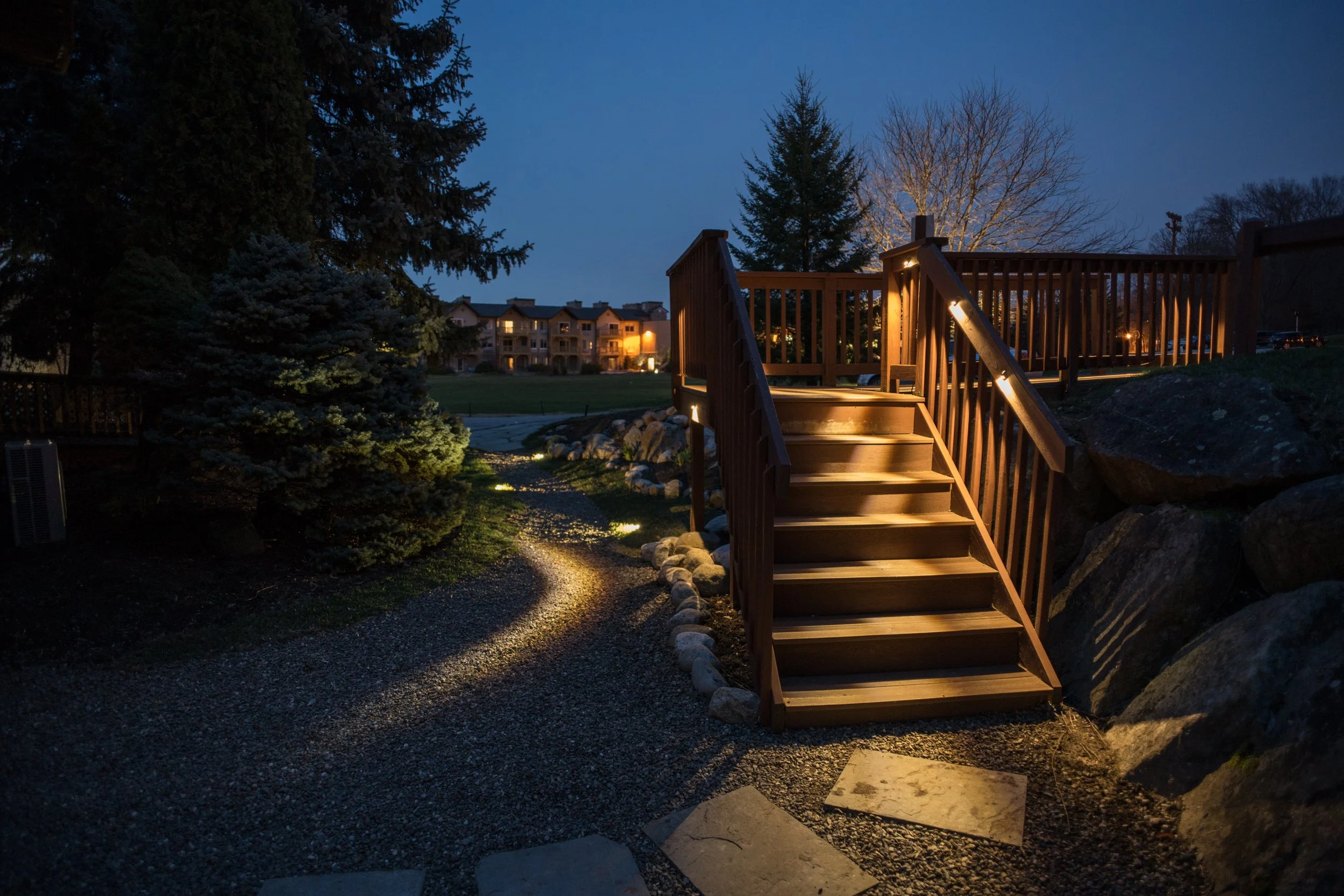
- Path Lighting: Illuminate walkways and driveways for safe navigation.
- Security Lighting: Brighten vulnerable areas to deter intruders.
- Ambient Lighting: Create a warm, welcoming glow ideal for outdoor gatherings.
2. Plan Your Layout
Begin with a simple map of your property. Identify focal points—trees, garden beds, architectural lines, and water features—then determine how light can enhance their presence.
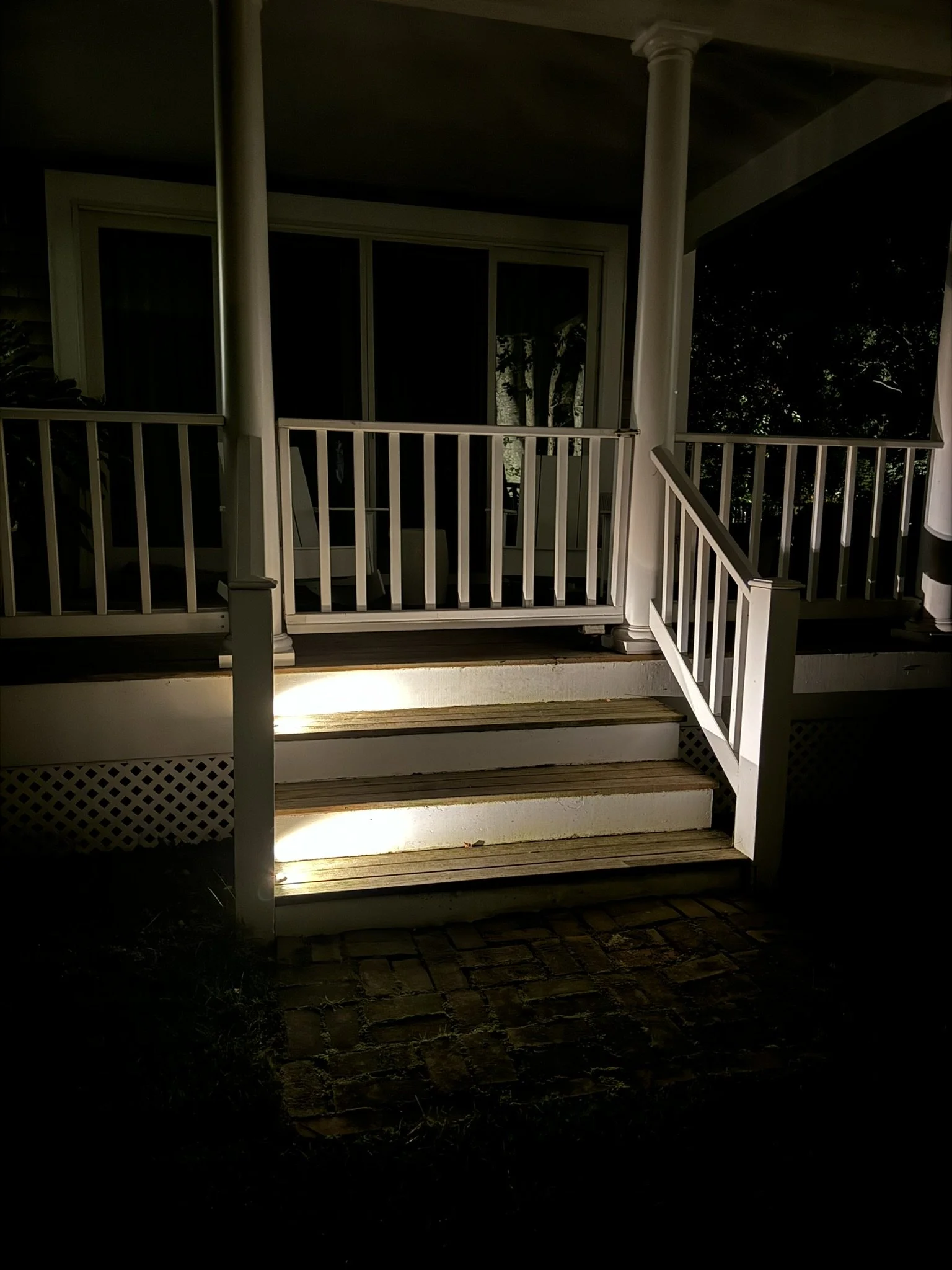
- Task Lighting: Provides functional illumination for steps and pathways.
- Accent Lighting: Adds depth and drama with focused beams.
- Ambient Lighting: Softens the environment with diffused light.
Organize the landscape into zones such as patios, pool areas, gardens, and driveways for more precise control.
3. Choose the Right Fixtures
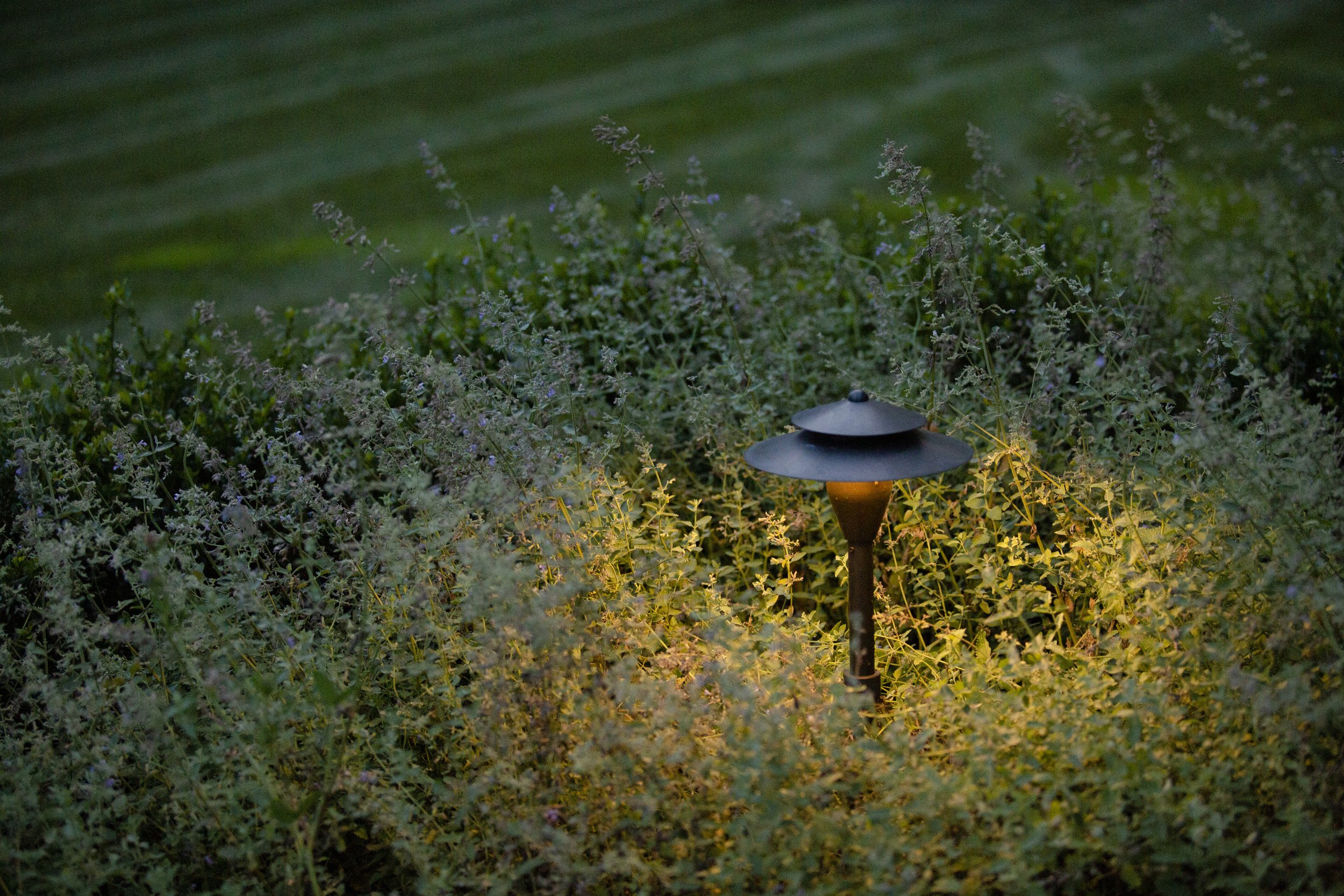
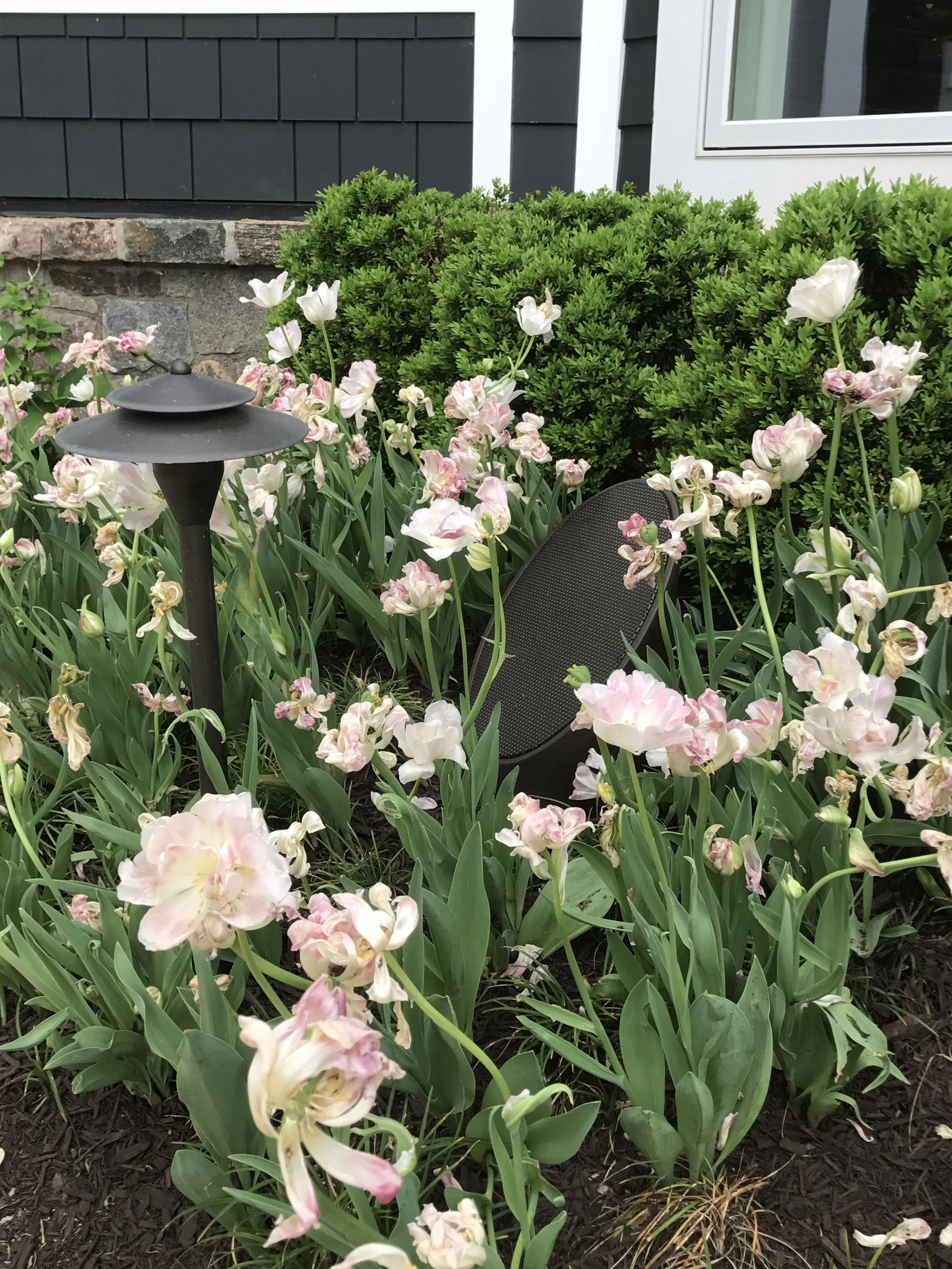
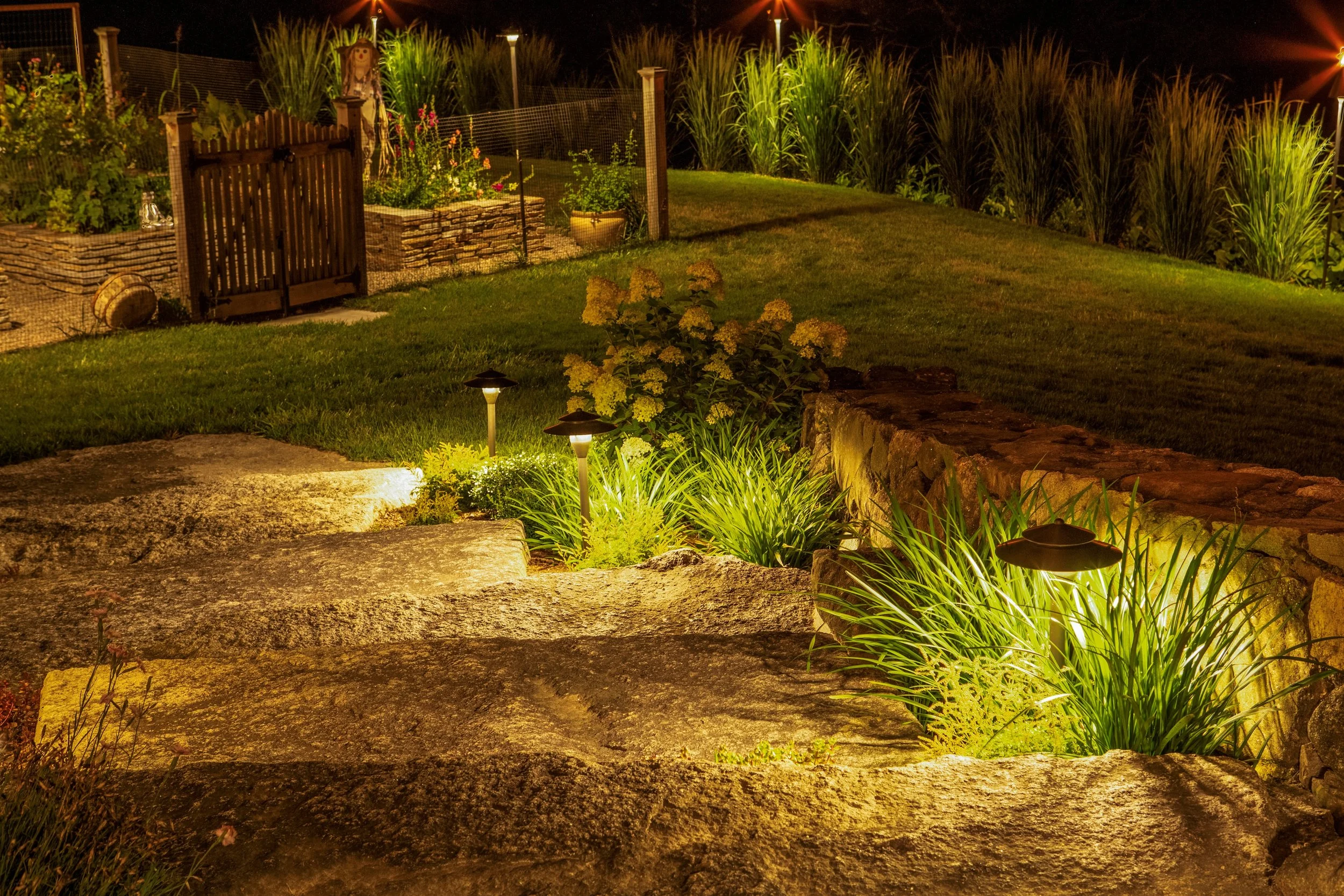
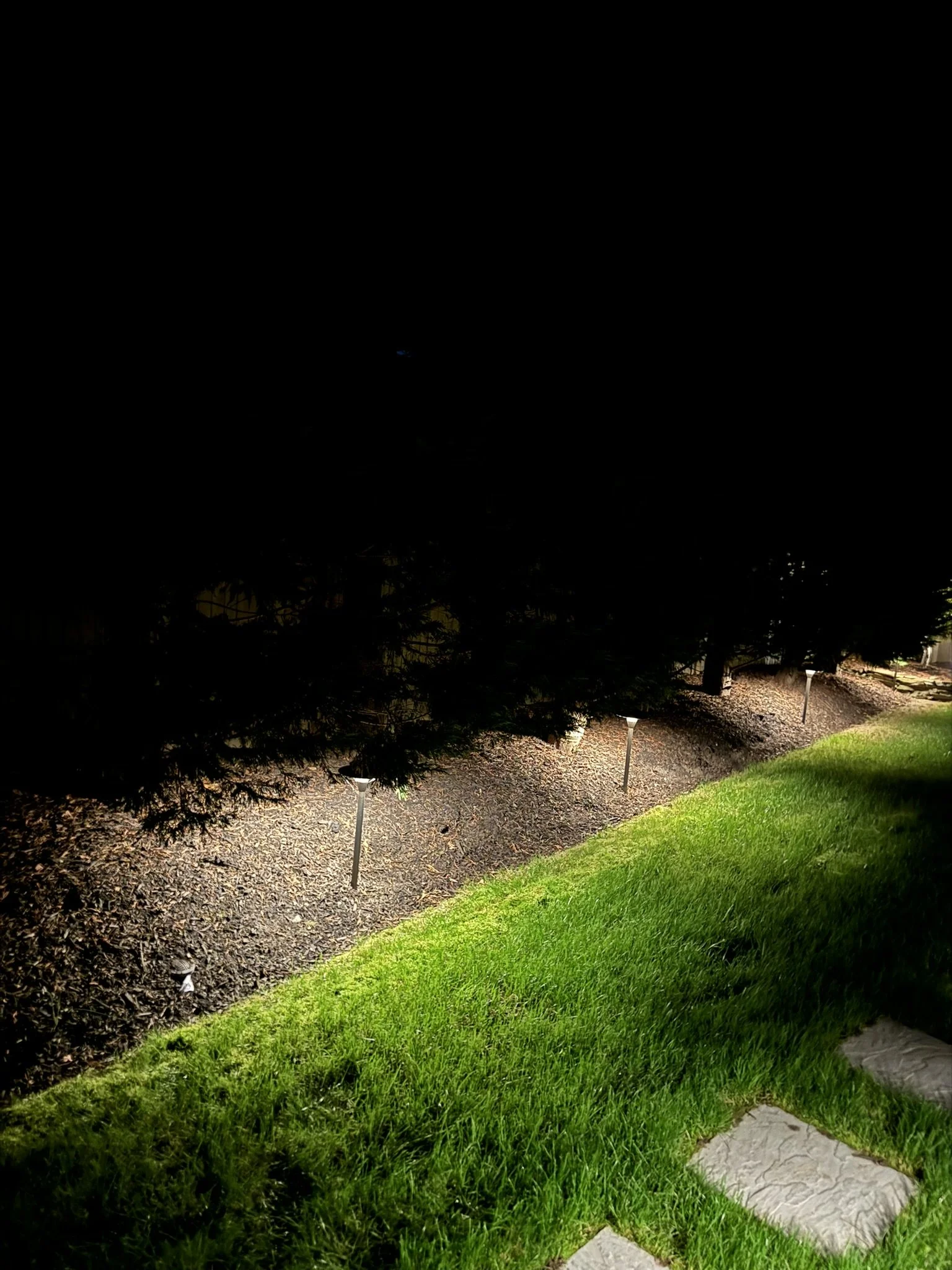
- Path Lights: Ideal for walkways and driveways.
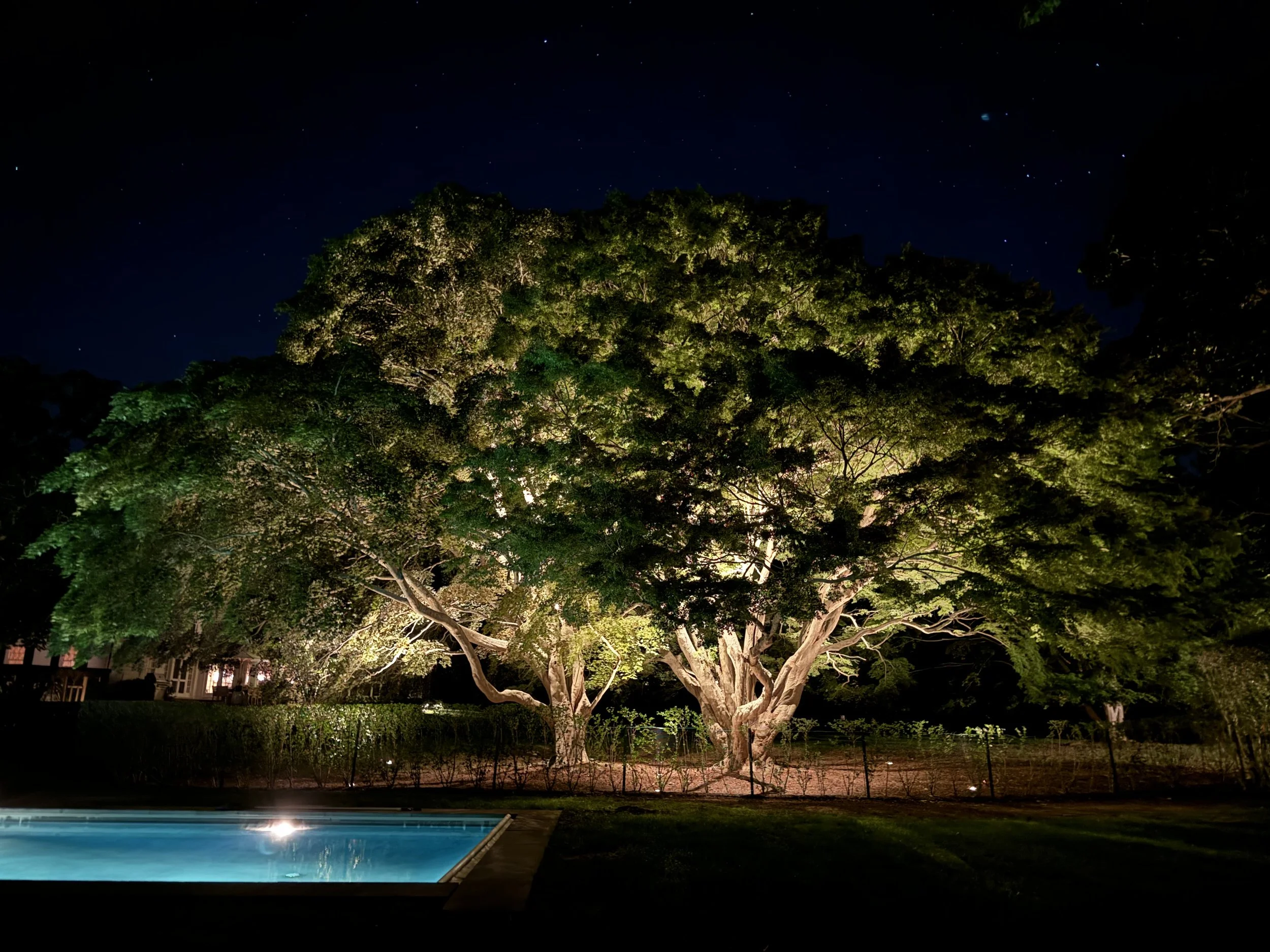
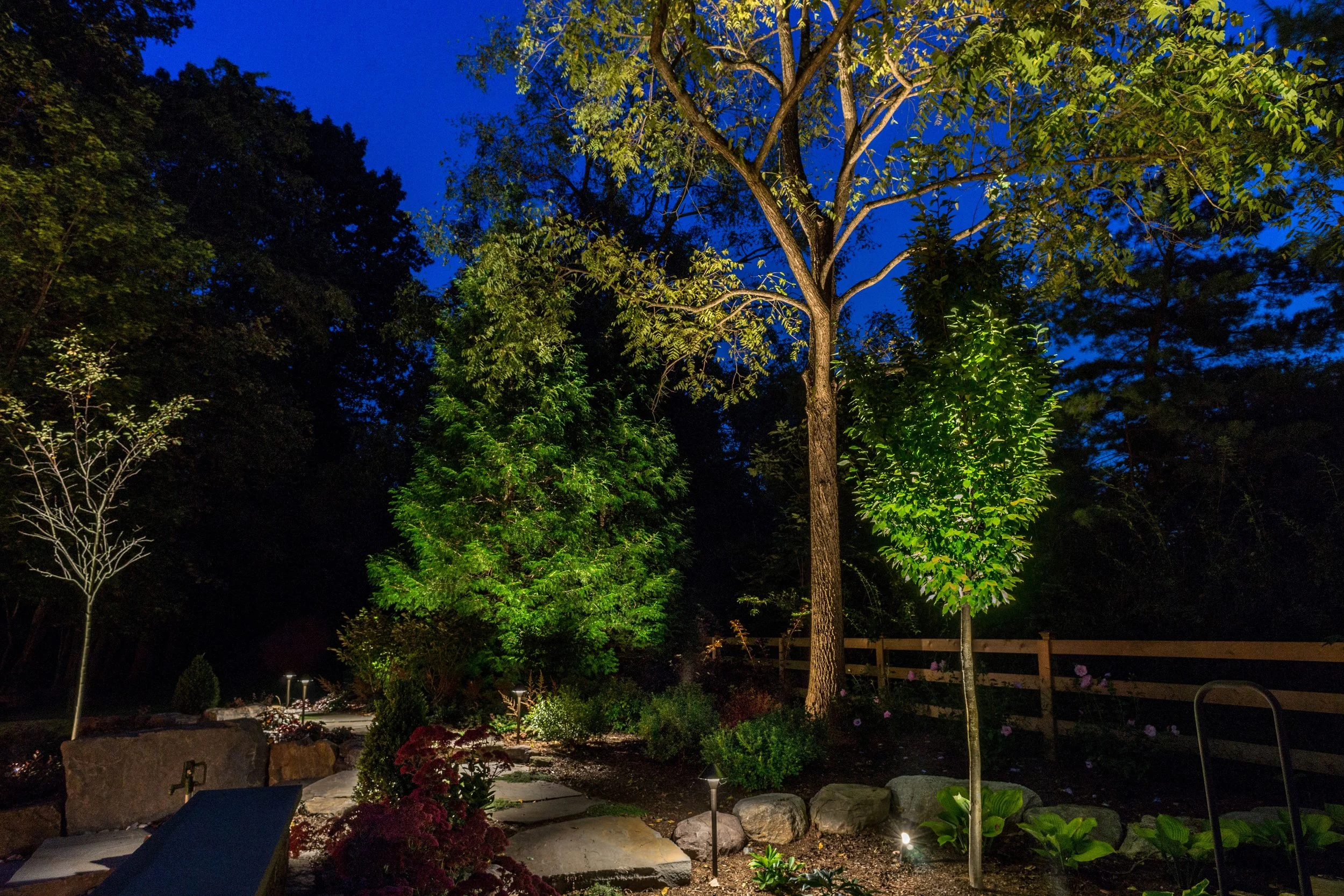
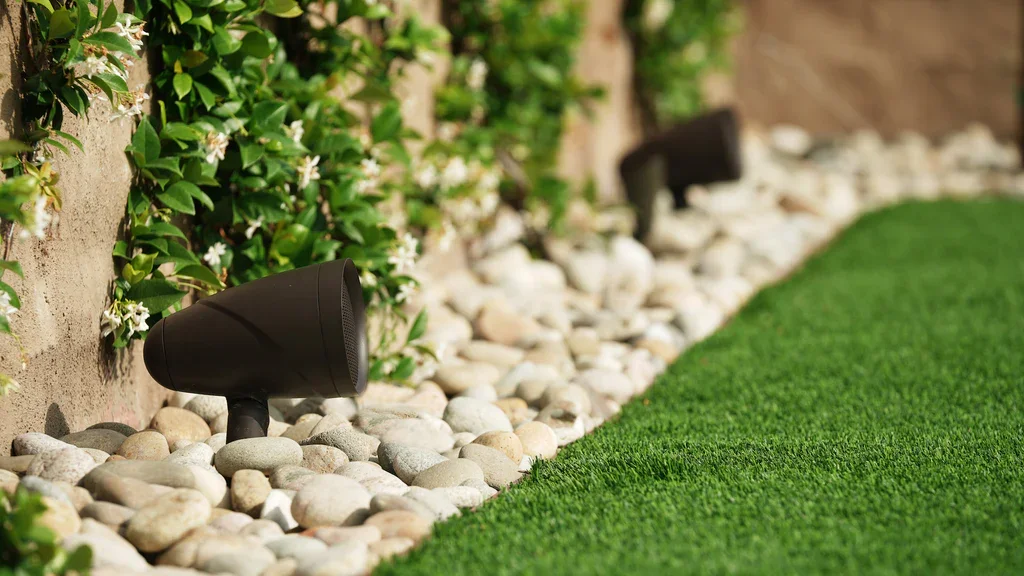
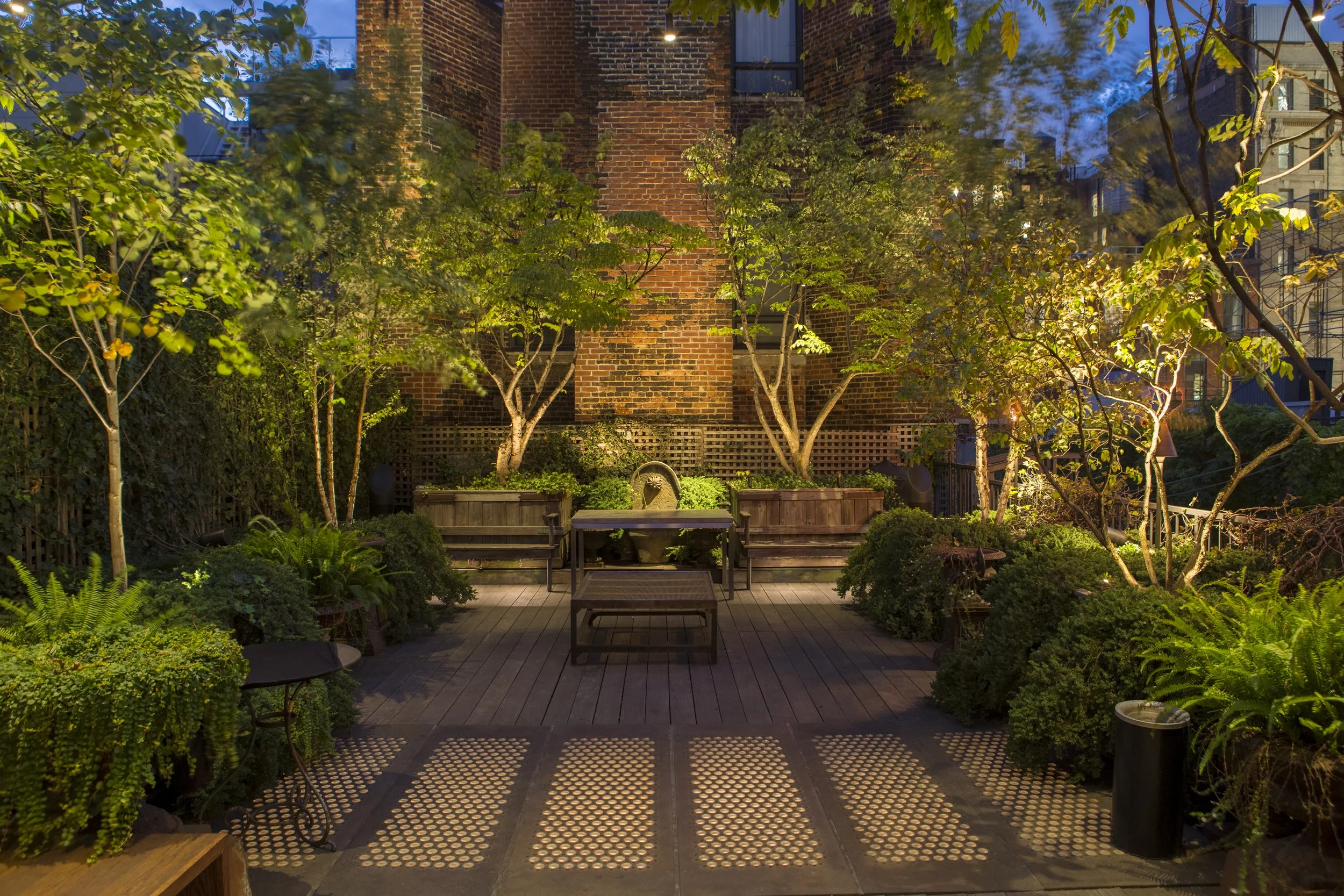
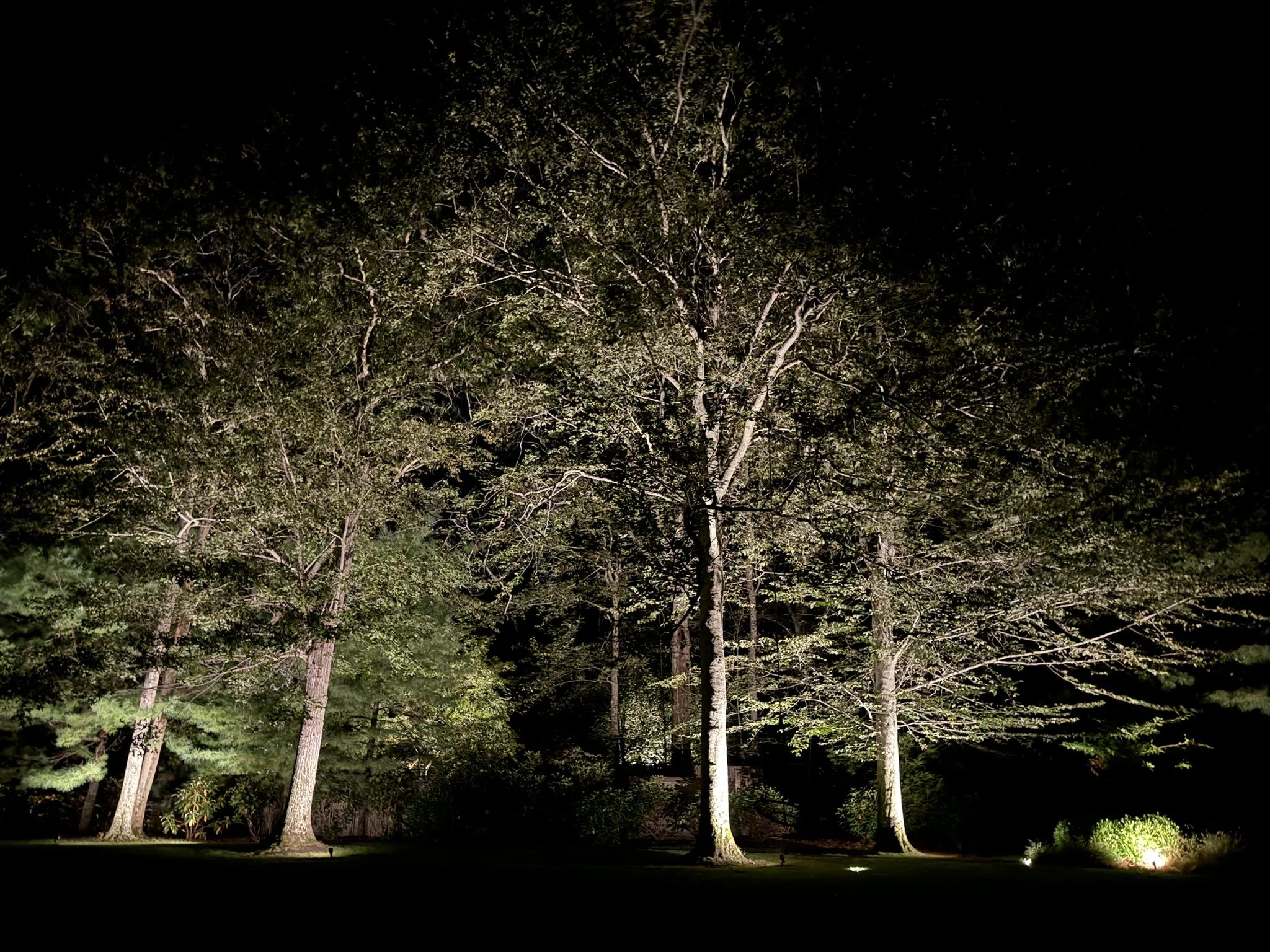
- Spotlights & Floodlights: Perfect for uplighting trees and architectural details.
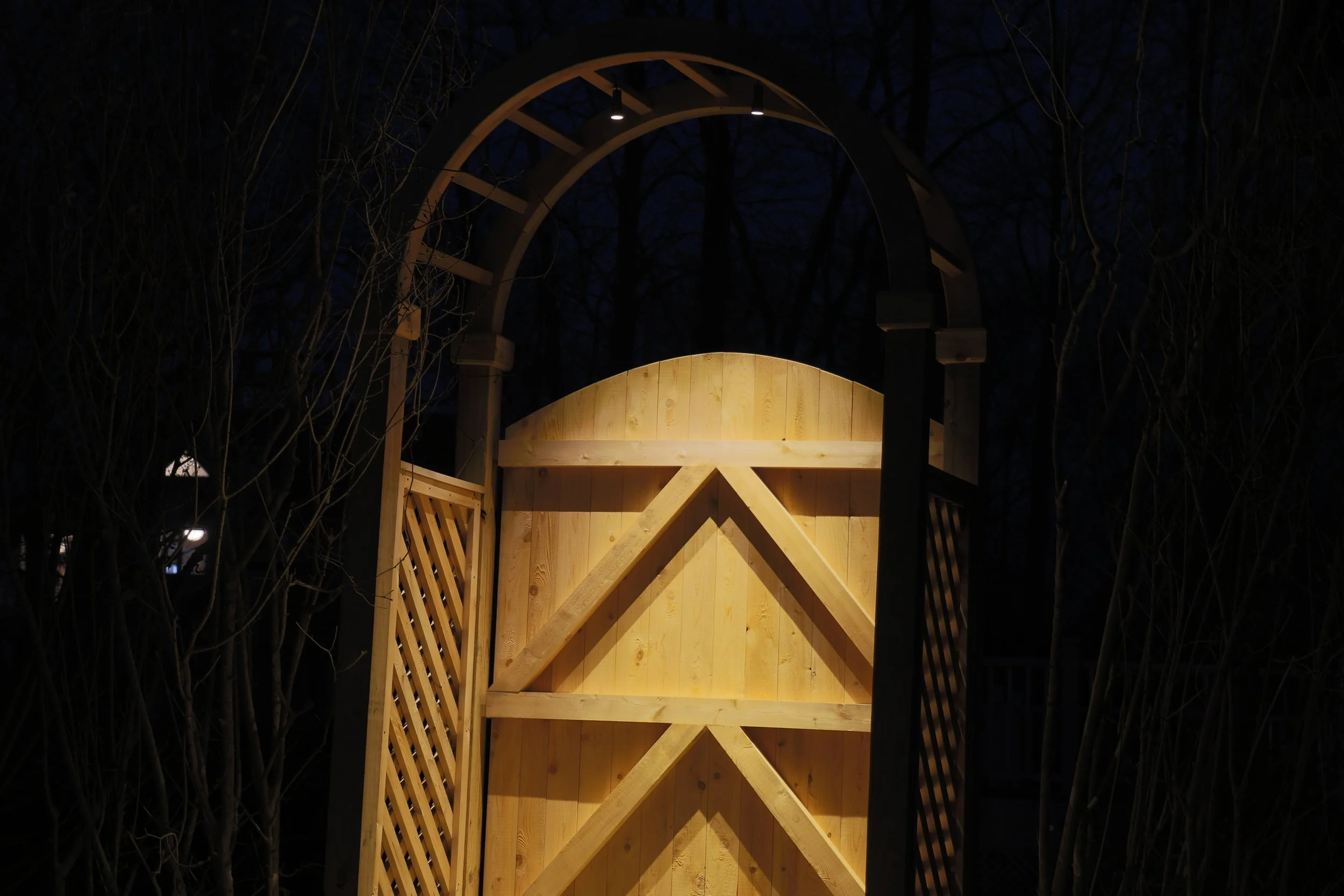
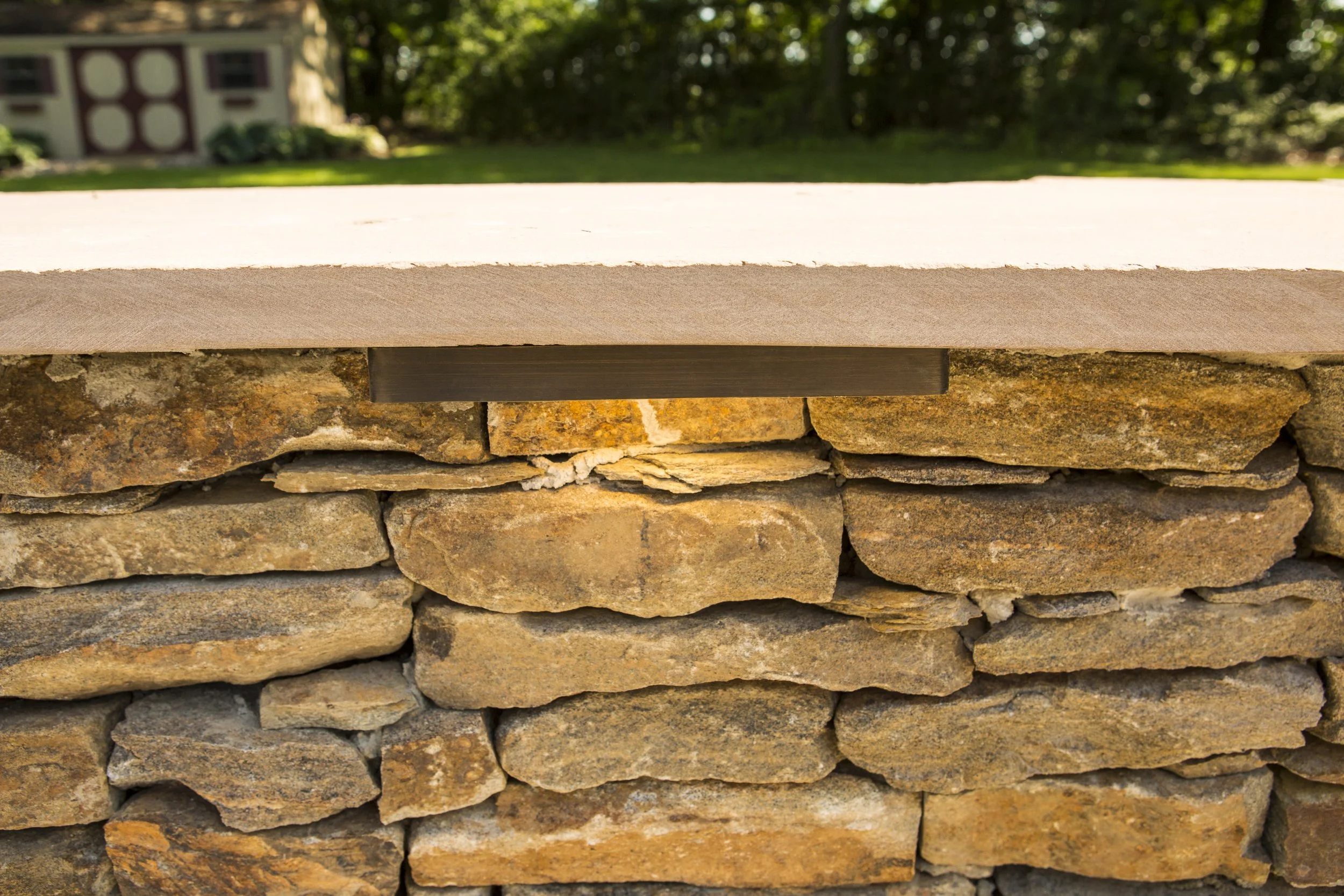
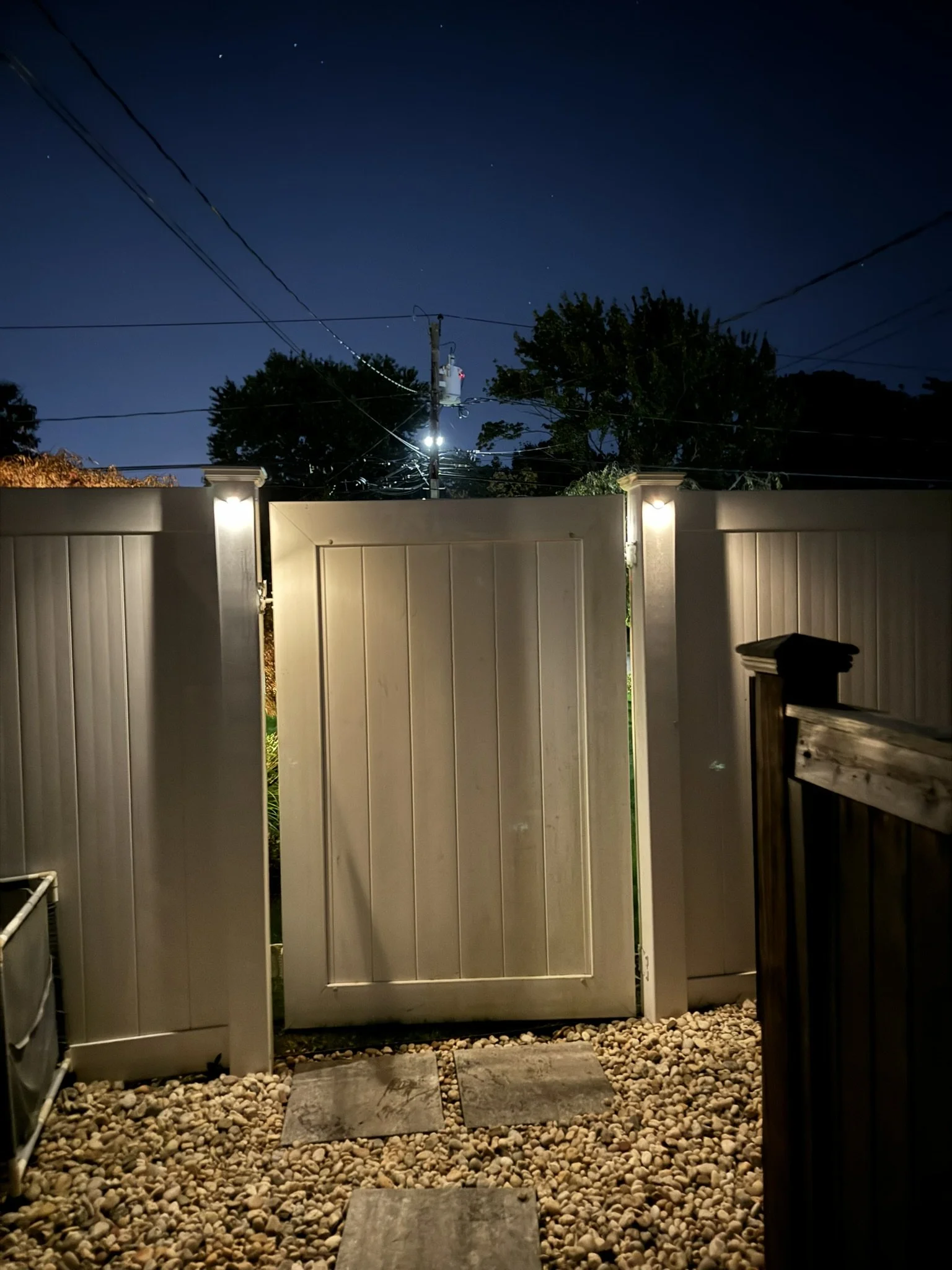
- Wall Wash Lights: Provide even illumination across façades or fences.
- Downlights / Moonlighting: Mounted high to create natural, gentle shadows.
- In-Ground Lights: Sleek fixtures for highlighting low-profile features.
4. Select the Right Bulbs
LEDs remain the benchmark for performance, longevity, and efficiency. Their wide range of color temperatures allows precise control over ambiance.
- 2700K–3000K (Warm White): Soft, welcoming, ideal for relaxation zones.
- 4000K+ (Cool White): Crisp illumination for task or security needs.
- Colored LEDs: Useful for seasonal or event lighting.
5. Position Lights Strategically
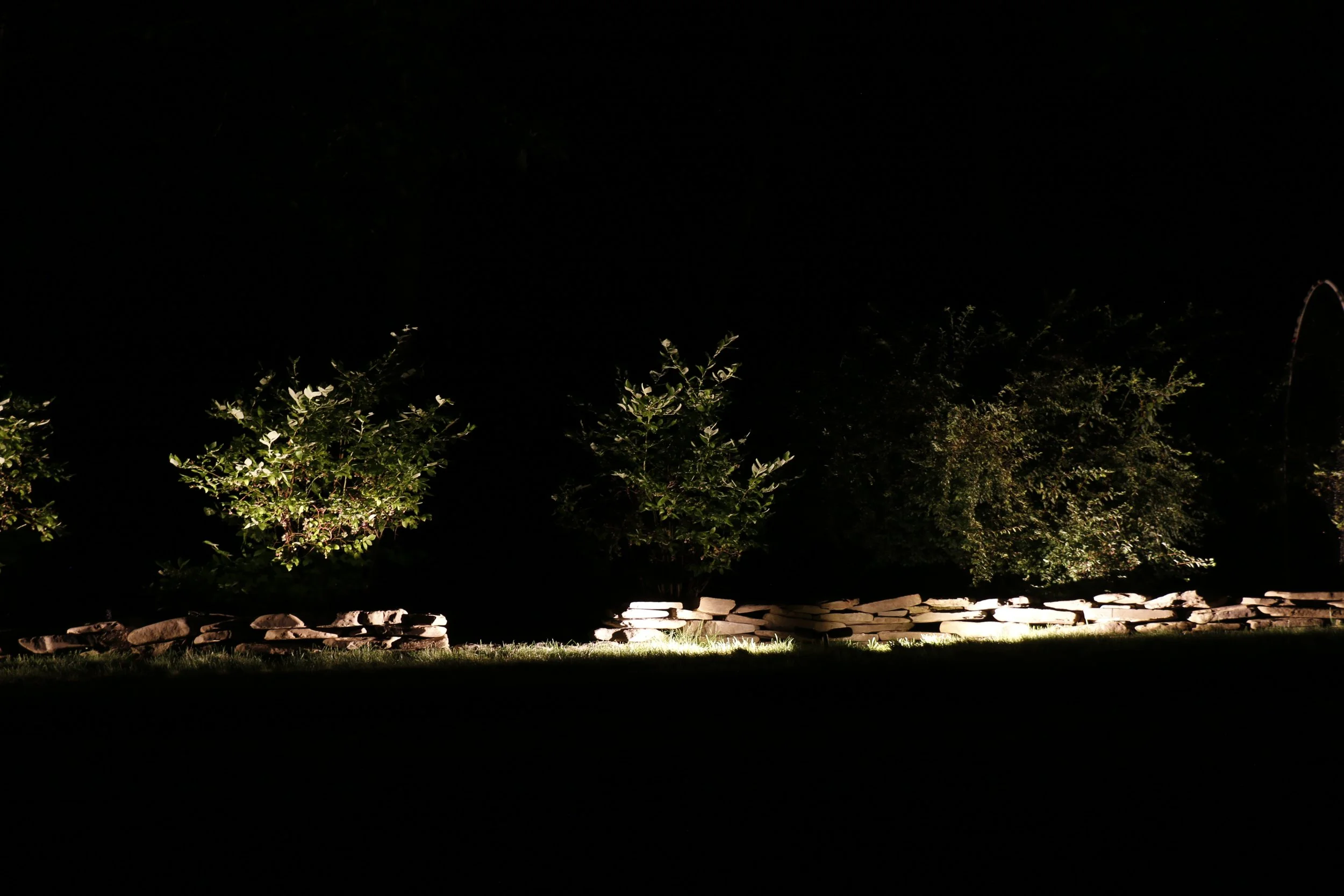
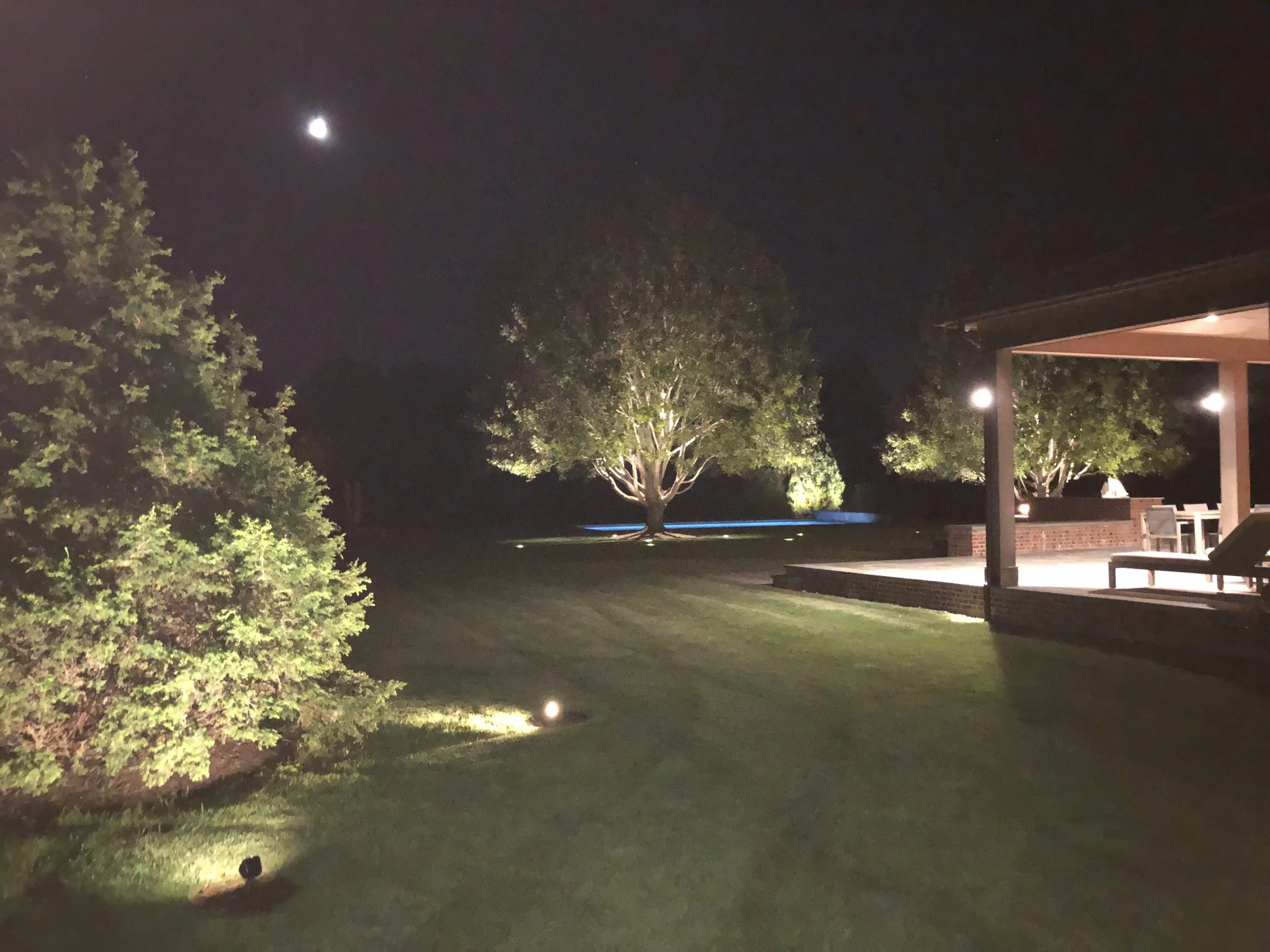
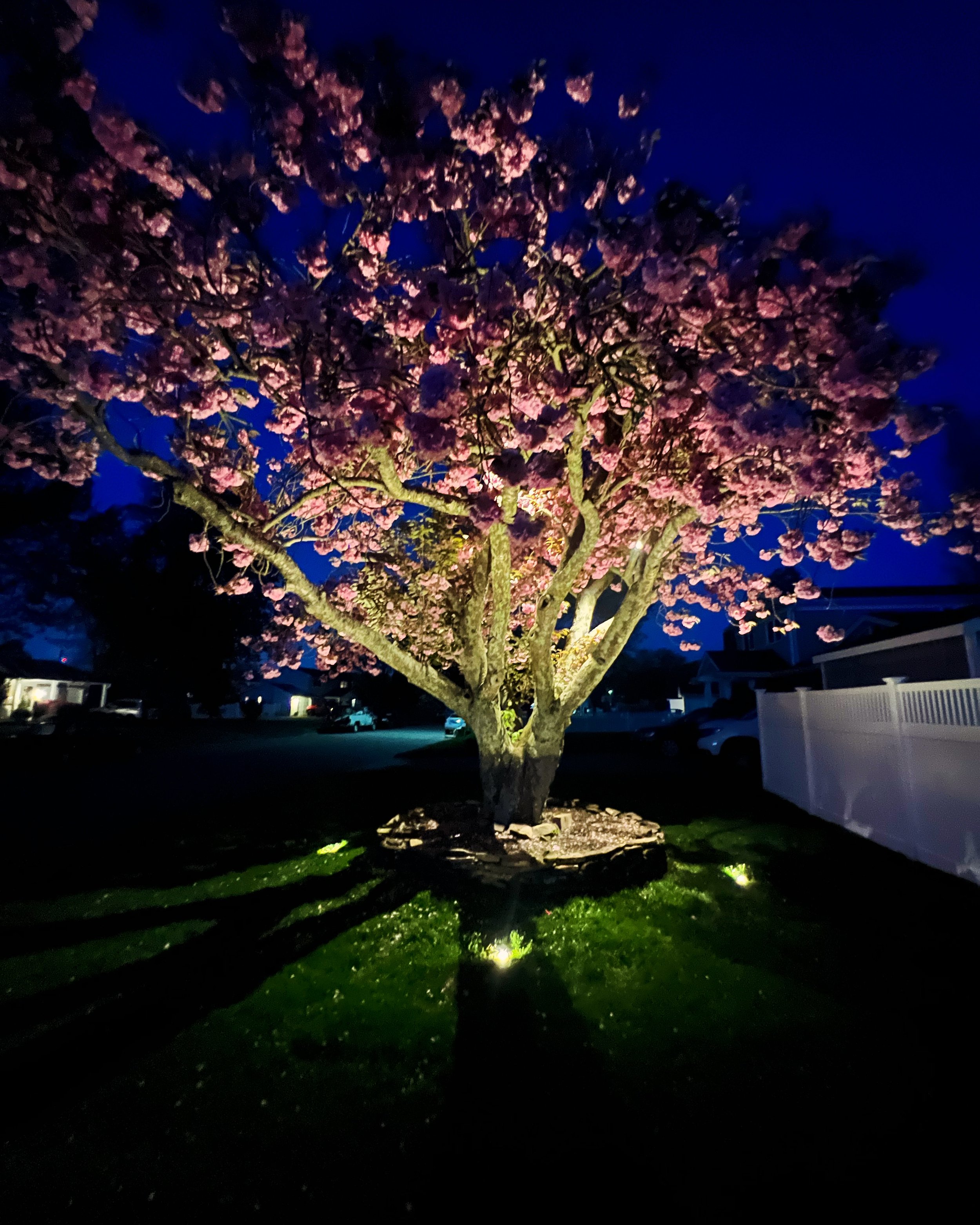
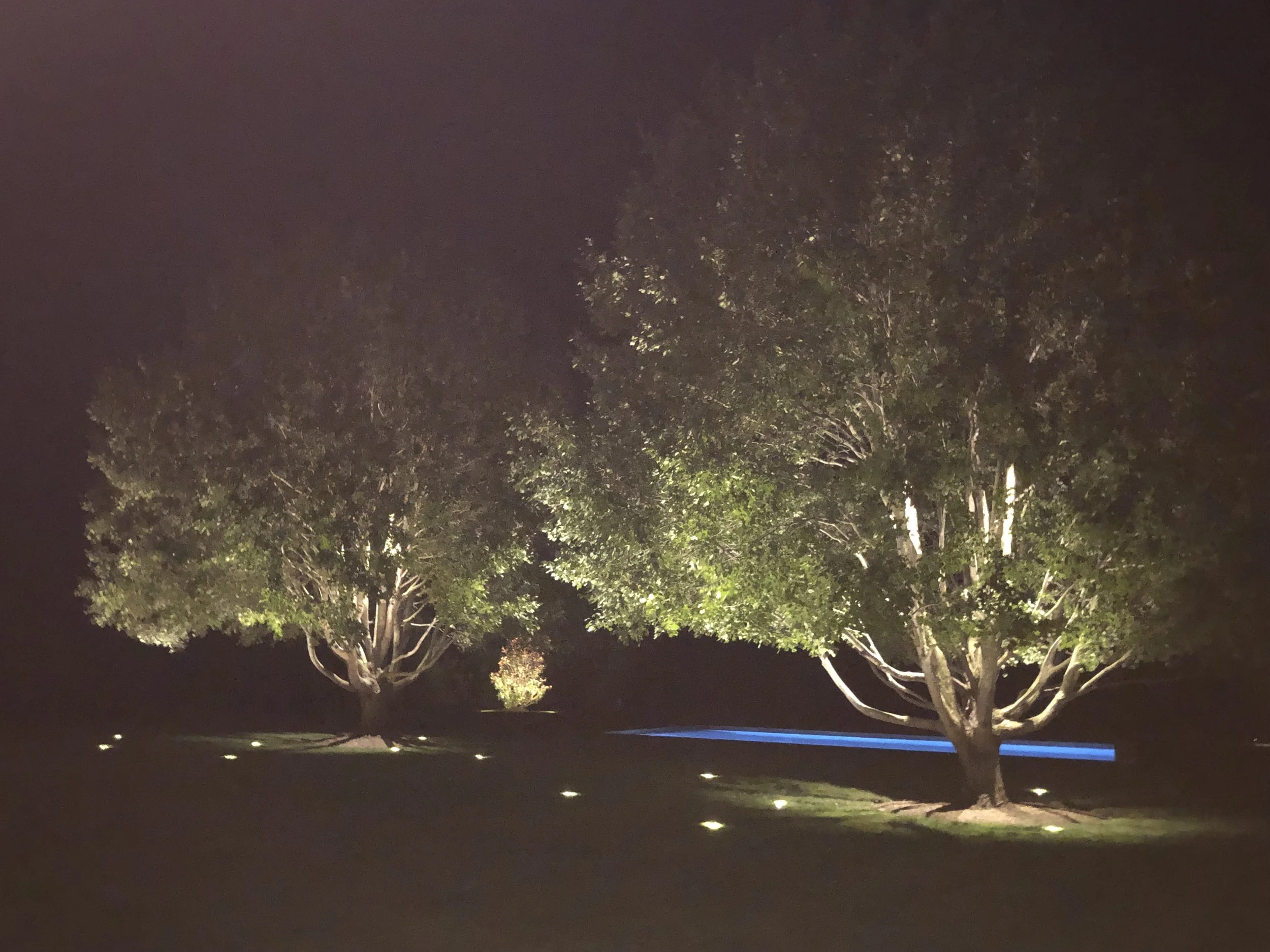
- Uplighting: Creates height and drama.
- Downlighting: Natural, moonlit effects.
- Backlighting: Produces elegant silhouettes.
- Shadowing: Artistic shadows for added texture.
6. Choose Your Power Source
- Solar: Eco-friendly but sunlight-dependent.
- Low Voltage: Safe, reliable, and ideal for residential landscapes.
- Line Voltage: Suitable for expansive estates or commercial environments.
7. Integrate Lighting Controls
- Timers: Automated schedules.
- Smart Controls: Manage lighting from anywhere.
- Dimmers: Fine-tune brightness to match the setting.
- Motion Sensors: Add convenience and energy savings.
8. Test and Adjust at Night
Once installed, review your lighting after dark. Small adjustments to angle, brightness, and position can dramatically improve balance and overall presentation.
9. Maintain Your Lighting System
Ongoing maintenance assures consistent performance and appearance:
- Clean fixtures and lenses routinely.
- Inspect wiring and connections.
- Replace lamps as needed for uniformity.
Expert Tips from Hamptons Lighting Designers
- Balance: Subtlety creates elegance—avoid over-lighting.
- Layering: Use multiple lighting types to add depth.
- Efficiency: Opt for LED fixtures for longevity and performance.
Let the Professionals Handle It
While DIY lighting can be rewarding, achieving a refined, cohesive design often requires a professional touch. Hamptons Landscape Lighting delivers meticulous planning, premium fixtures, and seamless installation for outdoor lighting that elevates your entire property.
Schedule a Lighting Consultation