
Landscape lighting repair | The Hamptons
A landscape lighting system can be thoughtfully designed and professionally installed, yet still suffer accidental damage. Gardeners, irrigation crews, storms, construction projects, and seasonal changes can displace fixtures, compromise connections, or change carefully established beam directions.
Sometimes the damage is obvious: a broken fixture, an exposed cable, or a lighting zone that suddenly goes dark. In other cases, the lights still operate, but the composition has changed. A tree appears unevenly lit, a pathway feels darker, or an unexpected beam creates glare from the terrace.
At Hamptons Landscape Lighting, repairing these conditions means more than restoring power. The objective is to restore dependable operation and the visual balance the lighting was designed to create.
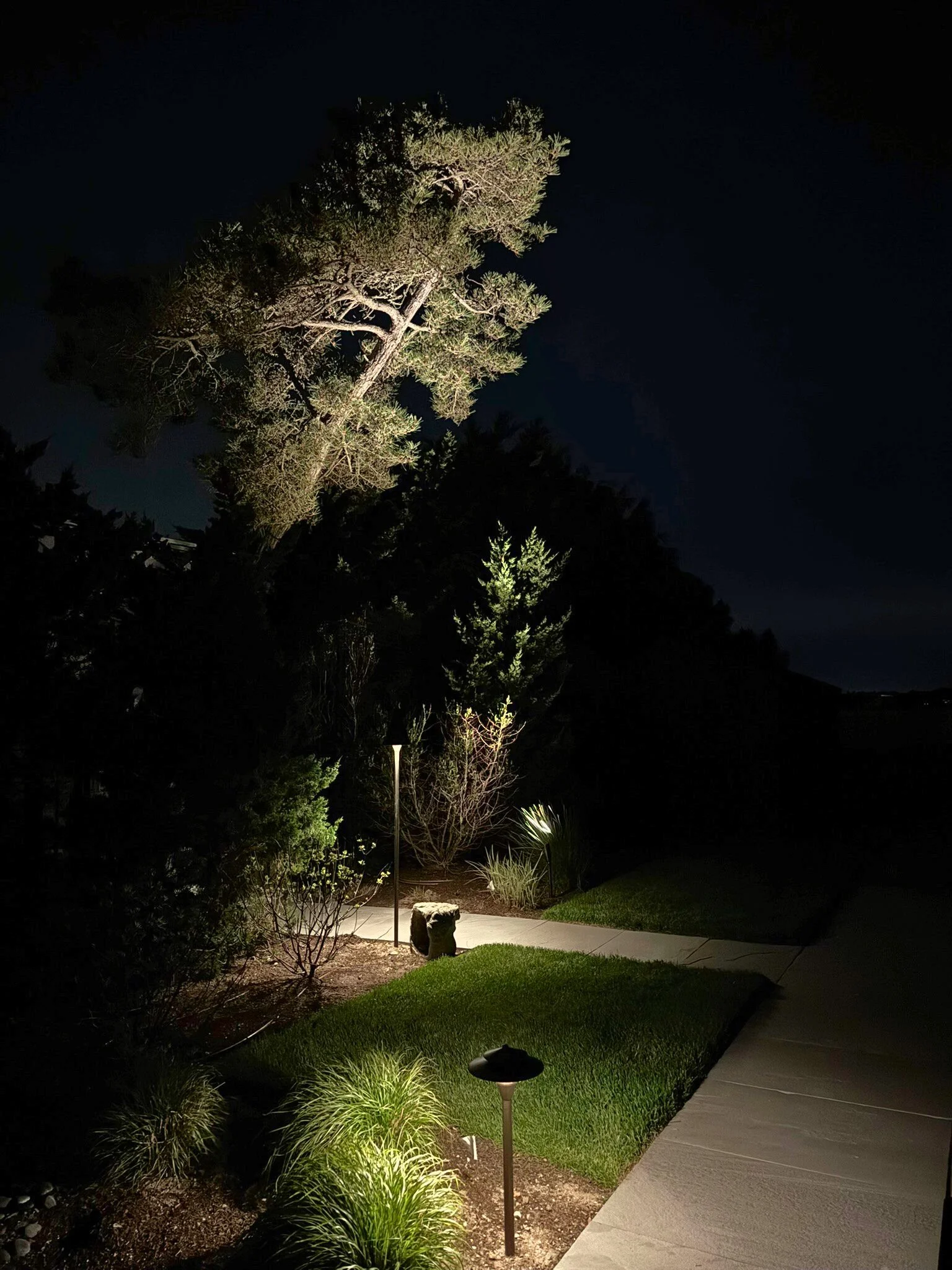
What commonly damages landscape lighting fixtures?
Outdoor fixtures share space with active landscaping, irrigation, ongoing property care, and changes in the ground itself. Common sources of damage include:
- Landscaping equipment: Mowers, string trimmers, edgers, shovels, and aerators can strike fixtures or damage buried cable.
- Garden renovations: New planting beds, trees, shrubs, and relocated landscape elements can disturb fixtures and cable runs.
- Irrigation work: Sprinkler repairs, trenching, and water exposure can affect electrical connections and housings.
- Construction activity: Pool, masonry, fence, driveway, and drainage projects can damage lighting infrastructure.
- Coastal weather and seasonal movement: Storm debris, erosion, freeze-thaw cycles, and shifting roots can move or break fixtures.
- Maturing plantings: Expanding shrubs and groundcover can obscure lenses, block beams, and make original aiming less effective.
The visible fixture may not be the only problem. Mounting hardware, cable insulation, buried connections, seals, and internal components can also be damaged. A fixture that still turns on is not necessarily sound.
Why landscape lights can work but no longer look right
Professional landscape lighting depends on placement, beam direction, intensity, shielding, and the relationship between illuminated and unlit spaces. A small shift can change an entire nighttime view.
For example, an uplight that once revealed the shape of a mature oak may now point toward a window. The light is functioning, but the tree loses depth and the homeowner gains unwanted glare.
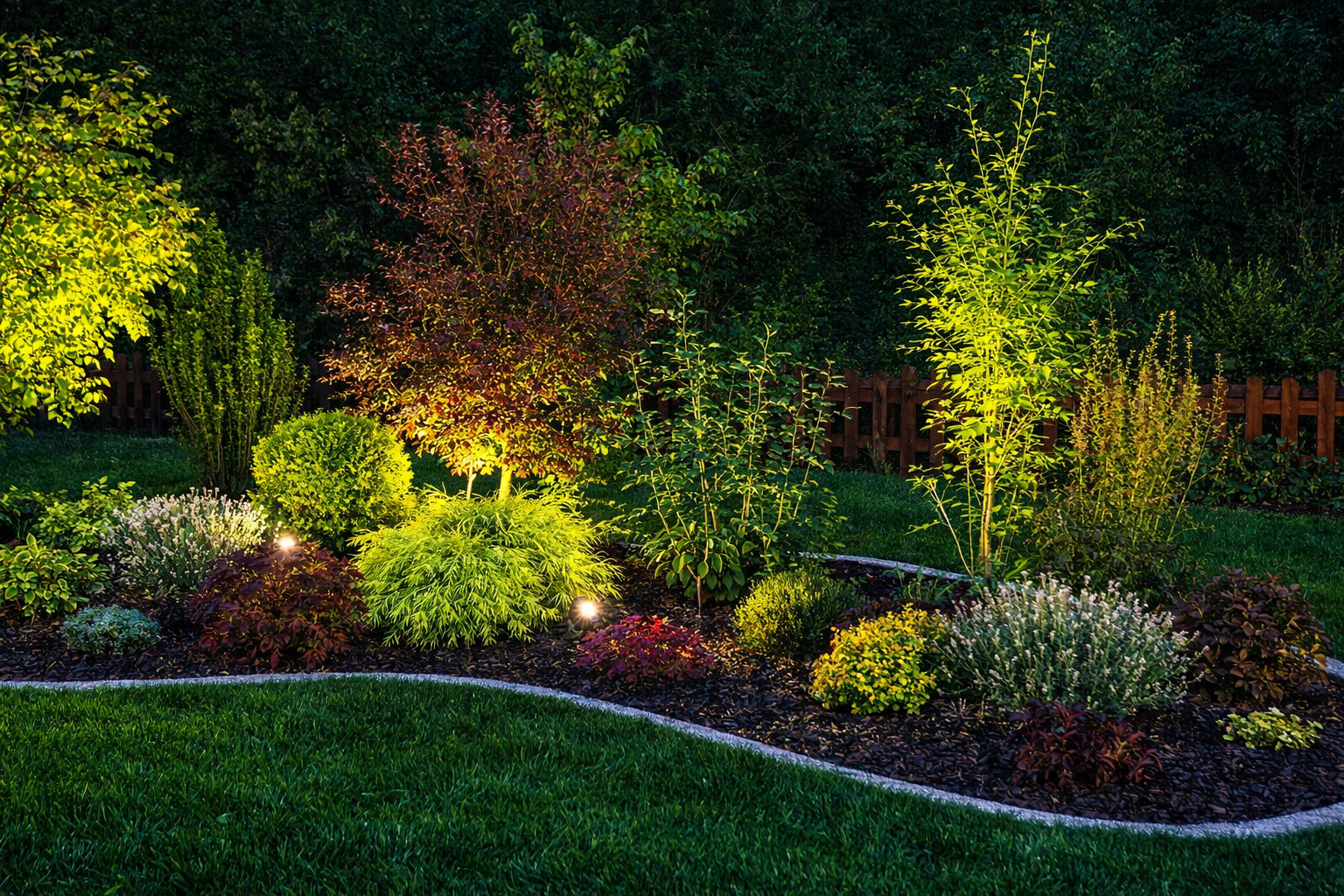
Signs the fixtures need re-aiming
- Beams shine into windows or outdoor seating areas.
- Trees and architectural features appear unevenly illuminated.
- Path lights lean or cast inconsistent pools of light.
- Harsh hot spots replace the original softer effect.
- Light spills onto neighboring properties or fixtures become visible from primary sightlines.
- Growing plants obscure the intended focal points.
Why review the lighting at night? Fixture placement may look acceptable in daylight while producing glare, uneven brightness, or competing beams after sunset. Nighttime aiming is how those effects are properly evaluated.
What should happen after accidental damage?
Before moving a displaced fixture back into place, the cause and extent of damage should be assessed.
Inspect the damage
Check the fixture, mounting hardware, wiring, connections, and affected circuit for visible and concealed faults.
Repair or replace
Repair components where appropriate or replace them with compatible equipment that respects the original lighting design.
Re-aim after dark
Confirm operation, then adjust the lighting for comfortable sightlines, balanced emphasis, and the intended nighttime appearance.
Safety first: If wiring is exposed, a fixture is visibly broken, or electrical components may have taken on water, do not touch or reposition the equipment. Arrange an inspection by a qualified professional.
For dark zones, transformer faults, failed connections, and more extensive troubleshooting, see our landscape lighting repair and service offering.
How new landscaping affects existing lighting
A property changes over time. Trees develop broader canopies, planting beds become fuller, and outdoor spaces are adapted for new uses. Even without an accident, the original fixture locations may no longer work as intended.
After a landscape renovation, a lighting specialist may recommend relocating fixtures, raising lights above groundcover, adjusting beam spread, adding shields, or re-aiming fixtures to suit mature plantings. Some areas may need additional illumination, while obsolete focal points may need less.
Thoughtful adjustments often preserve useful infrastructure while allowing the nighttime design to evolve. This is one reason ongoing landscape lighting maintenance is valuable.
Document damage before the area is restored
If a problem follows gardening, irrigation work, or construction, a few details can make diagnosis more efficient:
- Photograph visibly damaged or displaced fixtures without touching exposed wiring.
- Record where digging, grading, planting, or construction recently occurred.
- Note which fixtures or lighting zones no longer operate and when the issue began.
- Keep older nighttime photos that show the intended result, if available.
Share this information with the technician and, where relevant, the property manager or contractor. A severed cable can affect several fixtures, even when the fault is not next to the fixture that appears dark.
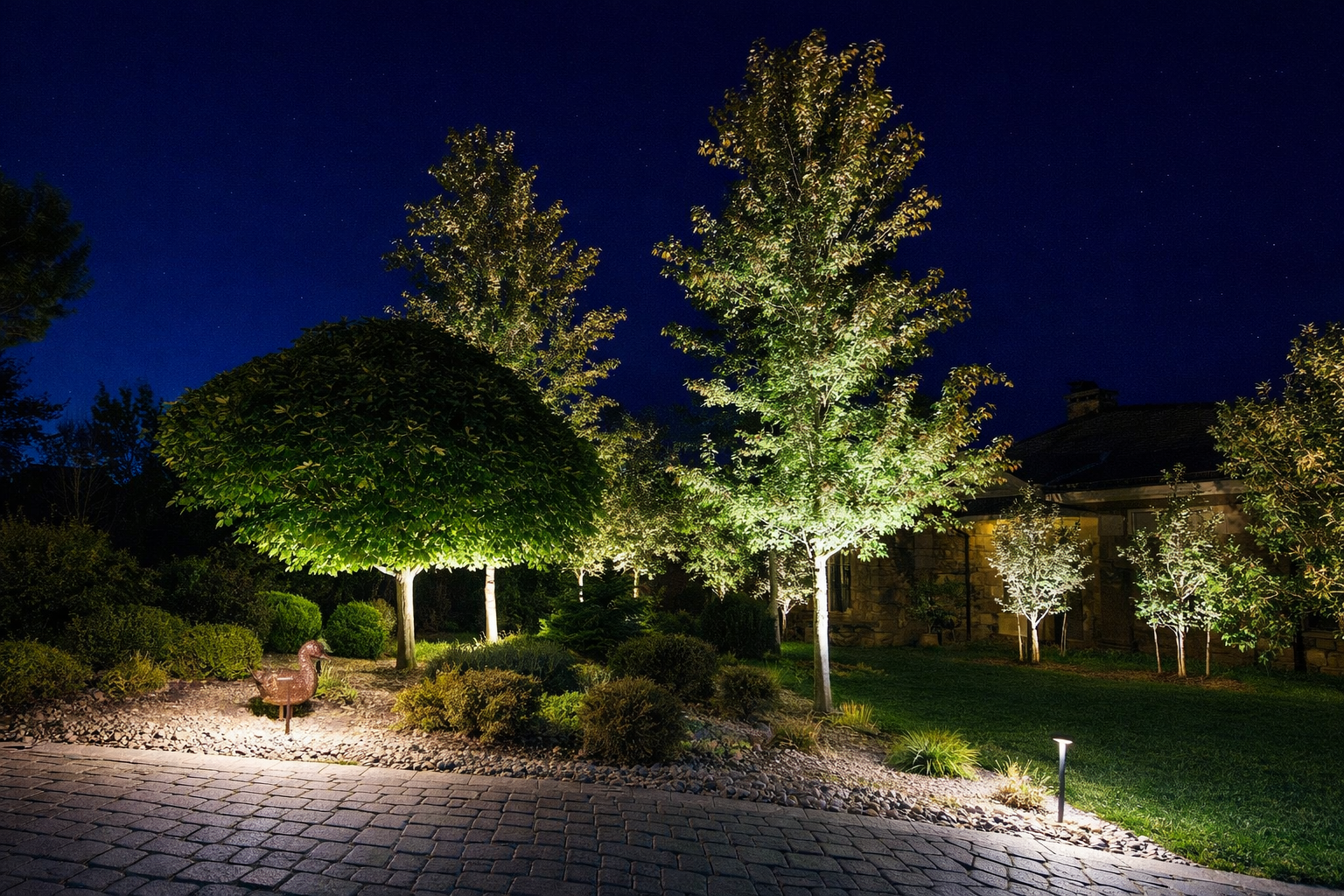
Why nighttime aiming completes a landscape lighting repair
Electrical repair restores operation. Nighttime refinement restores the design. A proper final review considers beam direction, glare from terraces and windows, intensity, shadow, circulation visibility, and color consistency with nearby fixtures.
Even a matched replacement fixture can require different mounting or aiming to work with current site conditions. The goal is not to make everything brighter. It is to recover the clarity, depth, and restraint that make outdoor lighting feel intentional.
How maintenance helps prevent repeat problems
Not every accident can be prevented, but periodic inspections can reveal loose fixtures, exposed cables, corrosion, plant interference, and shifting aims before they become larger issues. Seasonal properties may benefit from checks before periods of frequent use.
HLL's Brilliance Care approach supports cleaning, inspection, adjustments, and nighttime refinement as the landscape changes. Active electrical faults should be resolved through diagnostic repair rather than treated as routine maintenance.
Frequently asked questions about damaged landscape lighting
Can landscape lighting damaged by a gardener or contractor be repaired?
Often, yes. The technician first determines whether the problem involves the fixture, mounting system, buried cable, or connections. The solution may be a targeted repair, compatible replacement, or repositioning followed by nighttime aiming.
Why are my landscape lights suddenly shining into the house?
A fixture may have rotated during landscape work, irrigation repairs, a storm, or soil movement. A nighttime assessment can confirm the cause and identify a comfortable new aim.
Can a landscape light still work if its wiring is damaged?
Yes. Some damaged connections or cables may cause intermittent operation. Do not assume the fixture is safe solely because it still illuminates.
Does a broken landscape lighting fixture always need replacement?
No. The answer depends on the housing, seal, optics, mounting hardware, compatibility, and long-term reliability. Some fixtures can be repaired, while others should be replaced.
Should landscape lighting be re-aimed every year?
An annual review is a useful starting point for many properties, with additional checks after storms, substantial gardening, or construction. The right frequency depends on the site.
Can HLL repair landscape lighting installed by another company?
Yes. Hamptons Landscape Lighting evaluates existing systems, including installations by other providers, to determine what can be repaired, repositioned, or replaced.
Why should repairs be evaluated after dark?
Daylight checks establish whether the equipment works. Nighttime aiming reveals unwanted glare, uneven illumination, and the relationship between the home and landscape.
Restore the lighting, not just the fixture.
From a displaced path light to a damaged uplighting circuit, the goal is dependable operation and a nighttime environment that feels considered.
Serving Southampton, East Hampton, Bridgehampton, Water Mill, Sag Harbor, and surrounding Hamptons communities.
Discuss Your Landscape Lighting