
Dark Sky–Friendly Landscape Lighting in the Village of East Hampton
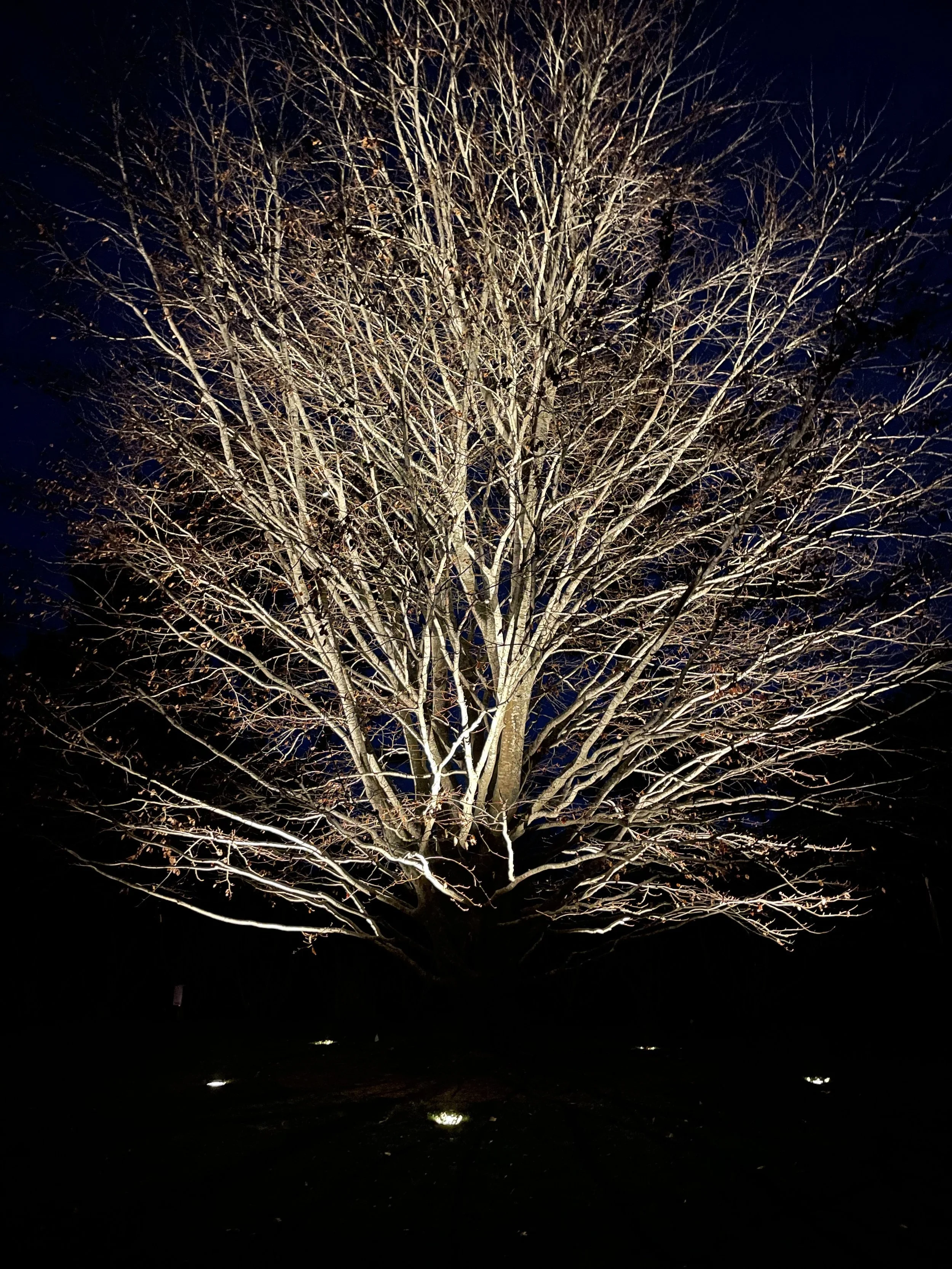
The Village of East Hampton is defined by historic architecture, mature trees, hedged properties, village streets, and an established residential character that depends on visual restraint.
Exterior lighting should support that environment rather than compete with it.
Village lighting standards and design-review requirements are intended to limit glare, light trespass, skyglow, unnecessary brightness, and impacts on surrounding properties and the natural environment. Depending on the project, homeowners may need to provide fixture specifications, mounting information, lighting locations, and control details as part of a municipal submission.
Start With the Exact Property and Scope
The first step is confirming that the property is within the incorporated Village of East Hampton rather than the surrounding Town of East Hampton.
The two jurisdictions maintain separate requirements and review processes. A mailing address that says “East Hampton” does not, by itself, establish which code governs the property.
The scope also matters. Replacing one fixture, undertaking a substantial renovation, constructing a new residence, or presenting a project for design review may involve different documentation and approval requirements.
How HLL Designs for Village Properties
Hamptons Landscape Lighting develops the exterior-lighting plan alongside the architecture and landscape.
Our Village of East Hampton approach emphasizes:
Warm 2700K or lower light
Fully shielded or carefully controlled fixtures
Low mounting heights
Minimal visibility of the lamp source
No spill into neighboring properties or roads
Selected downlighting instead of widespread uplighting
Restrained architectural illumination
Separate control zones and automatic shutoff schedules
Detailed fixture documentation when review is required
Historic and traditional architecture can tempt homeowners to choose decorative lanterns with exposed lamps. HLL evaluates those selections from both a visual and performance perspective. When a decorative fixture is appropriate, we look for lower-output light sources, internal shielding, warmer color, and placement that reduces off-property visibility.
Lighting Behind Hedges Is Not Automatically Contained
A tall hedge can provide privacy during the day but should not be treated as a substitute for proper optical control.
Light can pass through gaps, appear above the hedge, or become visible when foliage is trimmed. Bright fixtures behind a hedge can also illuminate the vegetation so intensely that the hedge itself becomes a glowing property boundary.
HLL uses shields, louvers, controlled beam spreads, and appropriate setbacks to keep the light within the intended area regardless of seasonal foliage changes.
Preserving Views From Inside the Home
Village properties often have close visual relationships between interior rooms, gardens, courtyards, and terraces.
We evaluate the lighting from primary interior viewpoints so that fixtures do not reflect in windows or compete with views into the landscape. The goal is to see the illuminated tree, path, or planting—not a row of bright lamps.
This approach is especially important near bedrooms, dining rooms, sitting rooms, and glass-walled additions.
Documentation, Coordination, and Nighttime Aiming
HLL’s fixture-by-fixture plans can identify:
Fixture manufacturer and model
Lumen output
Color temperature
Shielding and optics
Mounting height
Beam spread
Aiming direction
Control zone
Operating schedule
We coordinate with architects, landscape architects, builders, electricians, and other project professionals so the installed system reflects the approved design.
Once installation is complete, nighttime aiming allows us to correct glare, reduce output, and refine the composition. The result should feel appropriate to the Village: elegant, useful, and intentionally quiet.
LEARN MORE:
TOWN OF EAST HAMPTON DARK SKY LIGHTING