
How Lawn Maintenance Can Damage Outdoor Lighting Fixtures
Why Outdoor Lighting Maintenance Matters
Outdoor lighting is meant to improve safety, highlight architecture, and extend how a property is enjoyed after dark. But without regular maintenance, even a well-designed system can become unreliable, unsafe, and more expensive to repair.
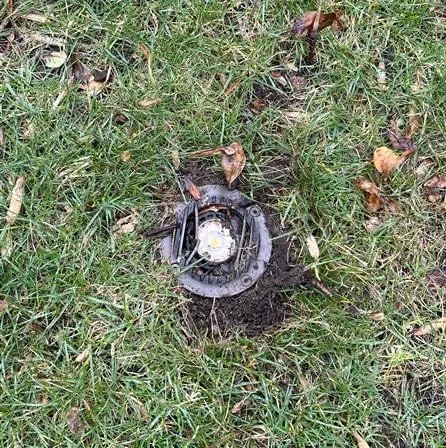
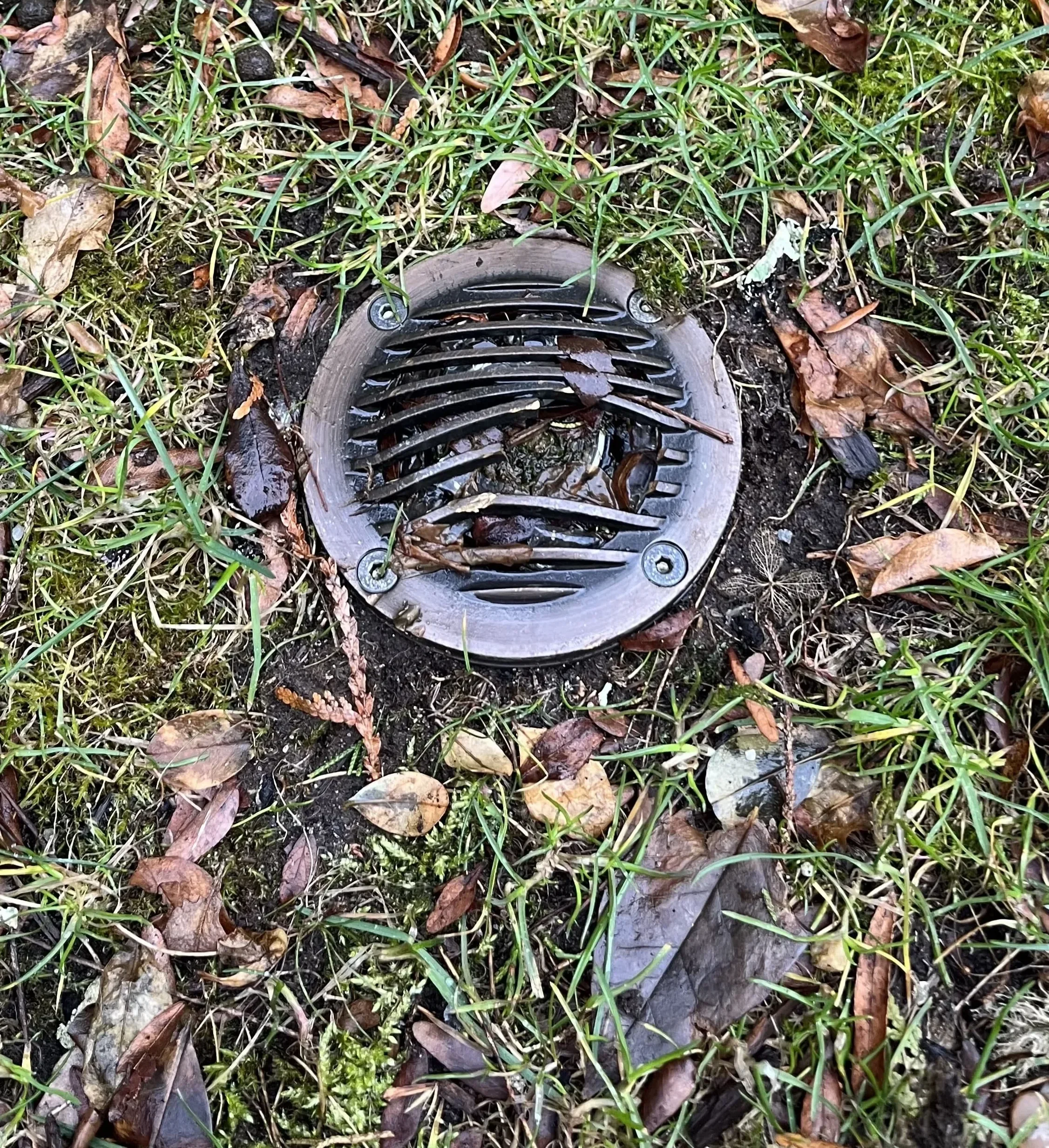
During a recent on-site visit, we found several in-ground fixtures damaged by lawn aeration equipment. The damage included bent housings, cracked lenses, and exposed wiring. In one service visit, a polished, well-functioning system had become both hazardous and visually disruptive.
This is why maintenance matters. Routine inspections, thoughtful fixture placement, and clear coordination with landscape crews help protect the system and preserve its performance over time.
Why Maintenance Is Essential
Safety comes first
Damaged fixtures can create immediate safety concerns. Cracked lenses and failed seals can allow water intrusion. Bent fixtures and exposed wiring can also create trip hazards and electrical risk, especially after rain or irrigation.
There is an increased risk of wire corrosion when exposed to water and the elements.
Routine maintenance helps catch these issues early, before they become larger repair or liability concerns.
The design depends on every fixture
A landscape lighting system works as a complete composition. When one in-ground light fails, the effect changes. Pathways may feel darker, architectural features lose definition, and the overall nightscape becomes less balanced.
Professional maintenance helps preserve the original lighting intent by keeping fixtures clean, aligned, sealed, and operating properly.
Preventive service reduces long-term cost
Small issues rarely stay small. A loose seal can lead to corrosion. A cracked lens can cause internal fixture failure. Damaged wiring can turn a simple repair into a larger service issue.
Preventive maintenance helps reduce avoidable replacement, rewiring, and emergency repairs. In most cases, routine service is far more practical than reactive repair.
Reliable performance protects the investment
An outdoor lighting system should work consistently, whether you are arriving home after dark, entertaining guests, or simply enjoying the property in the evening.
A maintained system delivers more reliable performance, a better appearance, and fewer unexpected failures. That consistency is one of the main reasons homeowners and property managers invest in professional maintenance.
How Smart Planning Helps Prevent Damage
The best outdoor lighting systems are not only visually effective. They are also planned with long-term maintenance and normal site activity in mind. Mowers, edgers, aerators, and other equipment can easily damage fixtures that are placed without enough protection.
Strategic fixture placement
Placement matters. In-grade fixtures should be positioned away from the highest-risk service paths whenever possible. During the design phase, fixtures can often be located in areas such as:
bed edges
hardscape borders
planting zones
protected transition areas
This helps reduce contact with lawn equipment while preserving the intended lighting effect.
Durable, professional-grade fixtures
Not all fixtures are built for the same conditions. Higher-quality fixtures typically offer stronger housings, better impact resistance, sealed lenses, and more secure installation methods.
The right materials help the system perform more reliably and stand up better to incidental impact over time.
Added protection in high-risk areas
Some locations call for additional protection. Depending on the site, that may include reinforced trims for in-grade fixtures, alternative fixture types in turf-heavy areas, or planting buffers that help define no-equipment zones.
These choices can reduce accidental damage while making fixture locations easier for maintenance crews to recognize.
Coordination with landscape crews
One of the most overlooked parts of lighting maintenance is communication. In many cases, fixtures are damaged simply because crews are not aware of where vulnerable components are located.
A lighting layout, marked fixture zones, or a brief walkthrough can help prevent many of the most common problems.
Ongoing professional maintenance
Routine service keeps the system in working order and helps identify damage early. HLL recommends two routine maintenance visits a year due to seasonal changes and weather. A maintenance visit may include:
fixture cleaning
lens and seal inspection
wire and connection checks
transformer testing
fixture aiming and alignment
inspection after mowing, aeration visits, and lawn maintenance
Seasonal service is often the most effective way to preserve both appearance and reliability.
When to Schedule a Lighting Audit
If you have noticed fixture damage, dark areas, loose components, exposed wiring, or recurring problems after lawn service visits, it may be time for a professional lighting audit.
An audit can help identify:
damaged or unsafe fixtures
water intrusion risks
wiring and connection issues
poor fixture placement
repeated damage caused by mowing or aeration
Catching these issues early helps prevent larger repairs and protects the long-term value of the system.
Bottom Line
Outdoor lighting and lawn care can coexist, but only when the system is planned carefully and maintained consistently.
If your property has experienced damage from aeration, mowing, or seasonal wear, professional maintenance can restore performance, improve safety, and help reduce repeat issues.
A well-maintained lighting system should enhance the property year after year, not become a recurring repair issue each season.
If your lighting system has been damaged by aeration, mowing, edging, or seasonal wear, schedule a professional outdoor lighting audit. HLL can identify unsafe fixtures, restore performance, and help prevent the same issues from recurring.
FAQs
Can lawn aeration damage in-ground lighting fixtures?
Yes. Aeration equipment can bend housings, crack lenses, disturb seals, or expose wiring if fixtures are located in active lawn areas and are not clearly marked or protected.
Is a cracked outdoor lighting lens a serious issue?
It can be. Cracked lenses may allow water into the fixture, which can lead to corrosion, electrical issues, or fixture failure.
How often should outdoor lighting be inspected?
Outdoor lighting should be inspected seasonally, especially after lawn aeration, major landscaping work, storms, or irrigation changes.
Can fixture placement reduce future damage?
Yes. Locating fixtures near bed edges, hardscape borders, planting zones, or protected transition areas can reduce contact with lawn equipment while preserving the lighting effect.
