
Why Landscape Lighting Should Be Planned Early
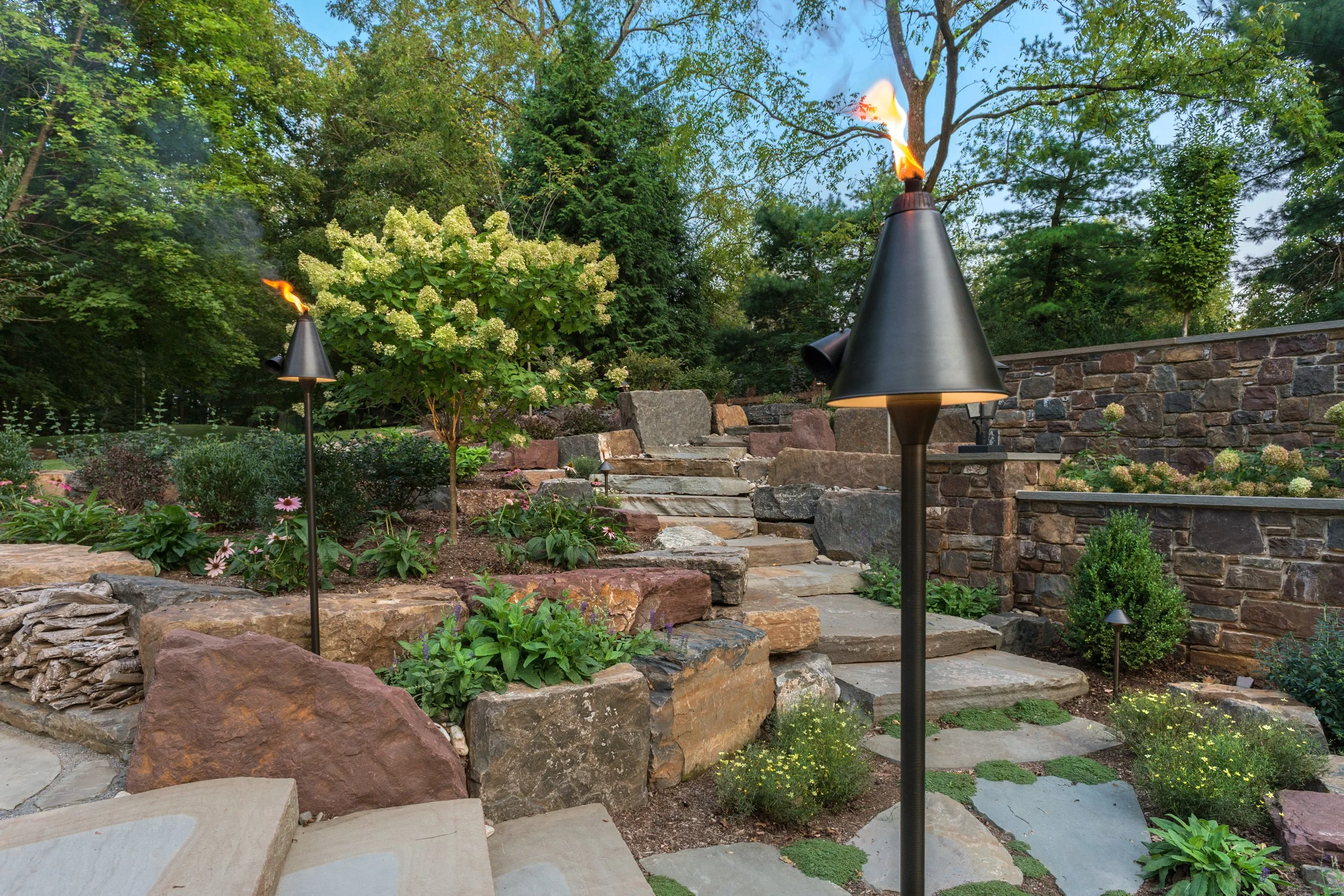
The best landscape lighting systems are rarely improvised at the end of a project.
They are planned while the property is still being shaped, when conduit paths, sleeves, transformer locations, planting beds, walkways, irrigation, and hardscape details can still be coordinated cleanly.
When lighting is brought in early, the final system feels more natural to the property. It also helps avoid exposed wiring, awkward fixture placement, difficult service access, and costly revisions after construction or landscaping is complete.
For builders, landscape teams, architects, and homeowners, early lighting planning can make the difference between a system that feels integrated and one that feels added on afterward.
Plan Infrastructure Before the Property Is Finished
Landscape lighting depends on more than fixtures. A reliable system needs the right infrastructure behind the scenes.
Before hardscapes, planting beds, irrigation, and walkways are finalized, the project team should consider:
Conduit paths
Sleeve locations under walkways and driveways
Transformer zones
Wire routing
Fixture placement
Drainage conditions
Access points for future service
Coordination with irrigation, masonry, electrical, and landscape work
Even small details can have a major effect on the final result. Leaving room for wire routing or planning sleeves beneath hardscape areas can prevent unnecessary disruption later. Choosing transformer locations early helps keep equipment accessible without placing it in a visually distracting area.
Think Beyond the Fixtures
Great landscape lighting is not just about selecting attractive fixtures. The long-term quality of the system depends on how it is planned, wired, powered, installed, and maintained.
A lighting design may look simple after dark, but the system behind it must coexist with other trades on site. Electricians, masons, irrigation contractors, landscape teams, pool contractors, and builders may all affect how the lighting system is installed.
Clear coordination helps ensure that the lighting remains concealed, serviceable, and reliable. Without that coordination, the project may end up with visible wiring, compromised fixture locations, difficult repairs, or lighting that does not fully support the finished property.
What Happens When Lighting Is Planned Too Late
When landscape lighting is treated as an afterthought, the options become more limited.
Common issues include:
Walkways or hardscape areas may need to be disturbed for wire routing
Fixtures may be forced into less effective locations
Transformer placement may become visible or inconvenient
Irrigation and planting layouts may conflict with wire runs
Service access may be harder than it should be
Lighting may create glare because fixture locations were not properly planned
The final effect may feel patched in rather than designed
These problems are avoidable when lighting is part of the planning conversation from the beginning.
Leave Room for Flexibility
Not every area of a property needs to be illuminated. A thoughtful lighting plan allows the landscape to mature and gives the system room to adapt as the homeowner’s needs change.
Trees grow. Planting beds fill in. Outdoor seating areas shift. Paths and gathering spaces may be used differently from season to season.
Early planning should create a strong foundation without over-lighting the property or locking the design into a rigid layout. The goal is to support a lighting system that feels natural, balanced, and easy to adjust over time.
Better Planning Creates a Better Finished Property
When builders involve lighting professionals early, the result is usually cleaner construction, smoother coordination, and a more refined nighttime experience.
A well-planned landscape lighting system can:
Highlight architecture and landscape features
Support pool, patio, and outdoor living spaces
Reduce visible wiring and fixture clutter
Protect the finished design from unnecessary rework
Improve long-term reliability and serviceability
Help the property feel complete after dark
The lighting should not compete with the architecture or landscape. It should quietly support the way the property looks, feels, and functions at night.
Coordinate Landscape Lighting Before Construction Is Complete
Hamptons Landscape Lighting works with homeowners, builders, landscape teams, architects, electricians, and designers to plan outdoor lighting systems before key construction and landscape decisions are finalized.
By coordinating early, we can help identify infrastructure needs, fixture locations, transformer placement, control options, and installation details before they become more difficult or expensive to address.
If you are planning a new home, landscape renovation, hardscape project, pool area, driveway, or outdoor living space, early lighting planning can help create a cleaner and more reliable finished result.
Schedule a consultation with Hamptons Landscape Lighting to discuss landscape lighting planning for your project.
Frequently Asked Questions
When should landscape lighting be planned?
Landscape lighting should be planned as early as possible during new construction, landscape design, hardscape work, pool projects, or major outdoor renovations. Early planning allows conduit, sleeves, wiring, transformers, and fixture locations to be coordinated before finished surfaces and plantings are installed.
Why should builders involve a lighting designer early?
Builders should involve a lighting designer early to avoid exposed wiring, difficult service access, poor fixture placement, and unnecessary rework. Early coordination helps the lighting system fit cleanly into the property instead of being added after major decisions have already been made.
What infrastructure is needed for landscape lighting?
Landscape lighting may require conduit paths, sleeves under walkways or driveways, transformer locations, wire routing, drainage planning, control equipment, and access points for maintenance. The exact requirements depend on the property layout and lighting design.
Can landscape lighting be added after construction?
Yes, landscape lighting can often be added after construction, but the options may be more limited. Finished hardscapes, mature planting beds, irrigation systems, and completed exterior work can make wiring, fixture placement, and service access more difficult.
How does early planning improve the final lighting design?
Early planning gives the lighting team more control over fixture placement, wiring routes, transformer locations, and coordination with other trades. This usually leads to a cleaner installation, better performance, less visual clutter, and a more natural nighttime effect.
