
The Real Meaning of Coastal-Durability in Landscape Lighting Fixtures
Coastal Durability Is More Than “Coastal-Rated Fixtures”
For a landscape lighting system near the water, the fixture is only the visible part of the durability story. Long-term performance depends on how the whole system is designed, installed, protected, and maintained.
“Coastal-rated” is a useful starting point, but it can be an incomplete explanation. Salt air, moisture, irrigation, sand, freeze-thaw cycles, plant growth, and active property maintenance affect far more than the fixture housing. A resilient system treats the lighting design, equipment, connections, wire paths, drainage, and future service as one coordinated whole. That approach is especially valuable when planning lighting around architecture, planting, and nighttime views.
What “coastal-rated” does—and does not—tell you
A quality fixture may use solid brass, copper, marine-minded finishes, sealed construction, or corrosion-resistant components. Those choices are meaningful. They help the visible equipment stand up to salt air and weather, and they should be part of a system specified for Hamptons conditions.
But a durable fixture cannot compensate for a vulnerable connection underground, poorly planned drainage, an overloaded transformer, exposed wire, or a fixture location that conflicts with irrigation and landscape work. As our guide to coastal lighting in salt-air conditions explains, the environment affects every part of an outdoor system, not only the item seen above grade.
Coastal durability includes
- Materials appropriate to moisture and salt exposure
- Protected, correctly made wire connections
- Thoughtful transformer and enclosure placement
- Wire routing that anticipates drainage and property work
- Fixture placement that avoids irrigation and standing water
- Service access for inspection, adjustment, and repair
What homeowners gain
A system that is easier to maintain, more predictable through the seasons, and less likely to lose its visual balance because a small technical detail was overlooked at the beginning.
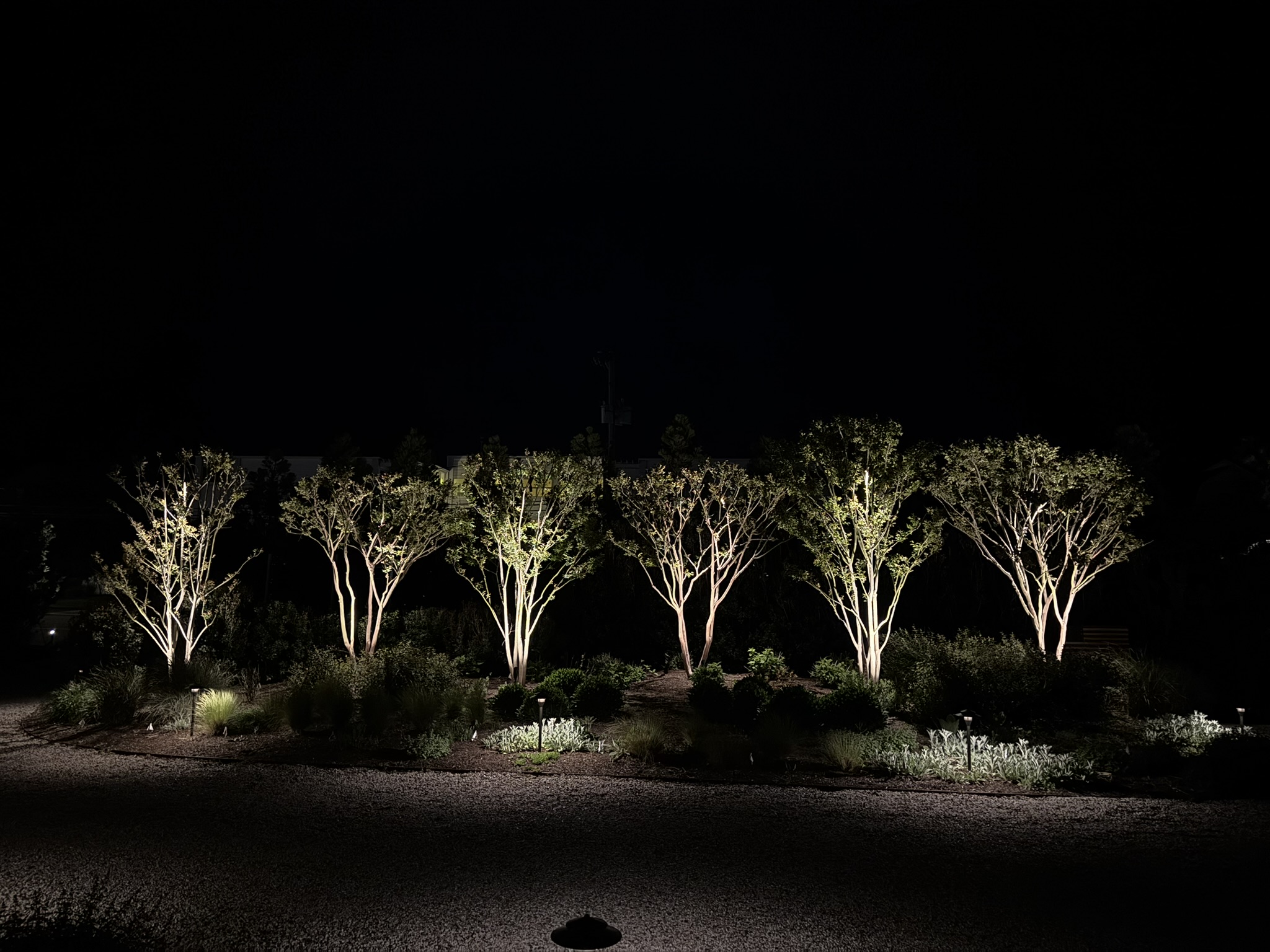
Five parts of a genuinely durable coastal lighting system
1. Materials selected for the actual exposure
Coastal conditions vary across a property. A protected garden bed, an open waterfront terrace, a pool edge, and a long driveway do not experience moisture, wind, salt, and maintenance in the same way. Fixture material and finish should match the location and application, not simply meet a broad label. Our fixture guidance and Coastal Source lighting resources are useful starting points for understanding those selections.
2. Connections that are protected, not merely hidden
Water and connection failures often create the problems homeowners notice first: intermittent zones, dimming, or lights that fail after a season. Correctly protected connections, carefully managed wire runs, and appropriate enclosures matter because the system’s vulnerable points are often below ground or out of sight.
3. Drainage-aware placement
Fixtures, transformers, junction points, and cable pathways should be planned around water movement, grade changes, irrigation zones, and planting beds. A fixture can be well made and still have a shorter, less reliable life if it is repeatedly exposed to standing water, damaged during bed maintenance, or buried as the landscape evolves.
4. Infrastructure designed before construction closes
For new landscapes and renovations, early coordination makes a substantial difference. Conduit or sleeves beneath hardscape, transformer locations, wire routes, pool clearances, and service access can be integrated before the project becomes difficult to alter. Our Long Island landscape lighting prewire guide explains why these decisions belong in the construction conversation early. It is also why our process treats design and installation as connected phases rather than a last-minute fixture selection.
5. Ongoing care that preserves performance
Durability is not a claim made on installation day; it is a condition maintained over time. Salt residue, debris, shifted fixtures, plant growth, irrigation changes, and storm exposure can gradually affect both performance and appearance. Planned maintenance checks connections, lenses, aiming, controls, and the changing landscape before minor issues become interruptions.
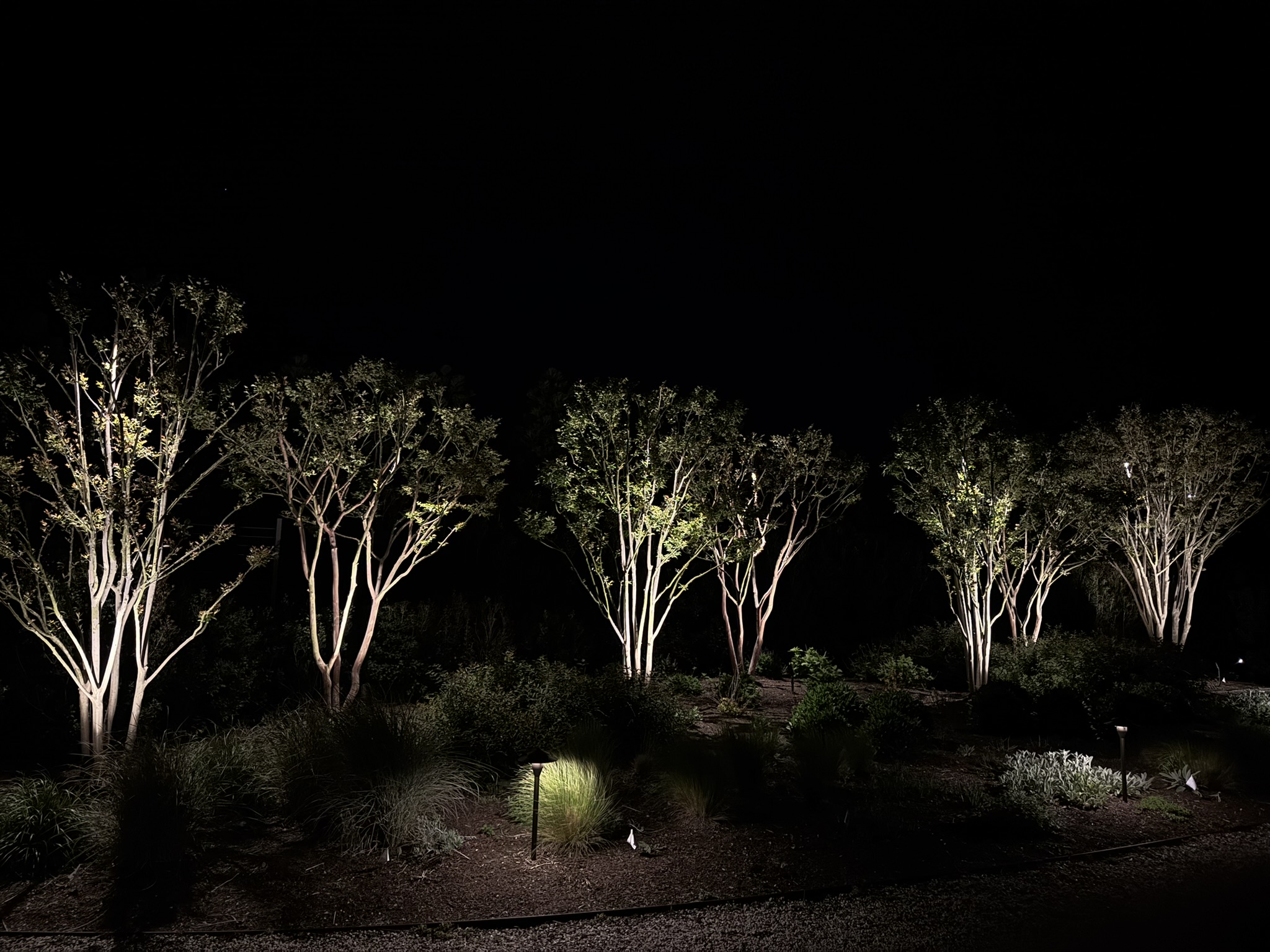
How maintenance turns durable construction into long-term reliability
Even the strongest initial installation cannot prevent every change around an active coastal property. Seasonal service gives a team the opportunity to clean lenses, inspect components, restore aiming, update controls, and identify potential issues early. This is especially valuable for properties that are used seasonally or managed from a distance.
Our articles on seasonal landscape lighting service, repairing or upgrading an existing system, and Brilliance Care explain how maintenance and communication with landscapers help protect equipment and the original design intent.
Frequently asked questions
Are brass fixtures enough for a coastal property?
They can be an excellent material choice, but no fixture material alone makes a system durable. Connections, drainage, wiring, transformer placement, serviceability, and maintenance are all part of long-term coastal performance.
What causes coastal landscape lighting to fail early?
Moisture intrusion, corroded or damaged connections, irrigation exposure, landscape work, standing water, aging components, and untreated system issues can all contribute. A professional assessment should identify the underlying cause rather than simply replace a failed fixture.
Does a coastal system need more maintenance?
Service frequency should reflect the property’s exposure, system complexity, landscaping, occupancy, and use. Waterfront and heavily landscaped properties often benefit from a proactive schedule because the environment changes the system more quickly.
Can an existing system be improved for coastal conditions?
Often, yes. A review can identify which fixtures, connections, wire runs, controls, and infrastructure should be retained, repaired, upgraded, or redesigned. Learn more about evaluating an existing landscape lighting system.
Related reading: How We Design Landscape Lighting · Coastal Lighting Salt-Air Considerations · Seasonal Landscape Lighting Adjustments · What to Look for in a Service Contract
Build for the conditions your property actually faces.
From lighting design and installation to maintenance, upgrades, lighting control systems, and outdoor audio/video, Hamptons Landscape Lighting provides comprehensive outdoor lighting services. Talk with our team about your property.