
Dark Sky Landscape Lighting on Shelter Island
Shelter Island’s woodlands, creeks, wetlands, quiet roads, waterfront properties, and relatively low ambient light make nighttime darkness a significant part of the island’s character.
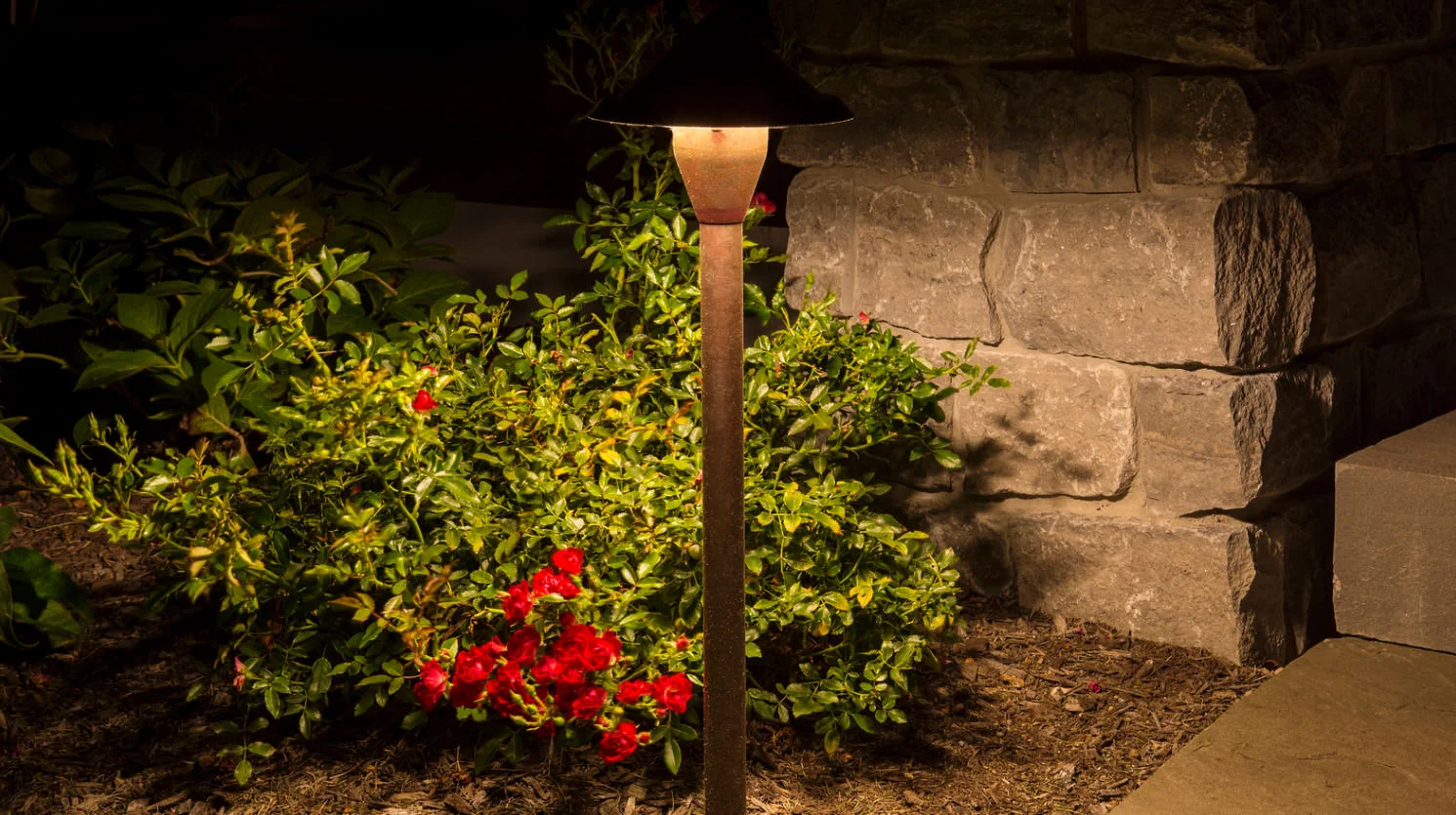
Landscape lighting that maintains darkness, Shelter Island’s character at night
Outdoor lighting that might appear moderate in a brighter community can feel excessive on Shelter Island. Unshielded floodlights, visible lamps, and bright waterfront fixtures can be noticeable from roads, neighboring properties, harbors, and undeveloped land.
The island’s lighting requirements should therefore be considered alongside the environmental setting of the individual property.
When Lighting Rules May Apply
Shelter Island’s outdoor-lighting provisions may become relevant to new buildings, new uses, substantial additions, and modifications that require municipal permits or review.
Applicable requirements may address:
Downward orientation of floodlights
Limits on fixture output
Reduction to safety-essential lighting during overnight hours
Lighting associated with permitted development
Enforcement of lighting that creates an off-property nuisance
Waterfront, wetland-adjacent, association-controlled, or environmentally sensitive properties may have additional conditions beyond the general lighting code.
HLL’s Shelter Island Design Standard
Hamptons Landscape Lighting uses an especially restrained design approach on Shelter Island:
2200K to 2700K lighting
Fully shielded or downward-facing fixtures
Low lumen output
Low mounting positions
No visible lamp source from roads, water, or neighboring properties
Minimal uplighting
Timed shutoff of decorative lighting
Overnight reduction to appropriate essential lighting
Motion controls for limited-duration applications
Coastal-grade fixtures and sealed connections
We concentrate light around actual nighttime activity rather than trying to illuminate the entire property.
Lighting Long Driveways and Wooded Paths
Wooded Shelter Island properties may require lighting along long drives or paths. A continuous line of bright fixtures can disrupt the landscape and create a runway effect.
HLL instead identifies decision points:
Turns in the driveway
Intersections
Gates
Parking transitions
Steps and grade changes
Entrances
Path junctions
Light is placed at those locations using shielded, low-output fixtures. Reflective or passive markers may also reduce the number of illuminated points required.
Waterfront and Dock Considerations
Water magnifies the effect of artificial light through reflection.
HLL keeps dock and shoreline fixtures low, shielded, and directed at walking surfaces. We avoid aiming light outward across a creek, harbor, or bay and consider how shoreline lighting appears from neighboring properties and the water.
Required navigational or safety lighting should remain separate from decorative landscape lighting and follow the applicable authority’s requirements.
Designing for Overnight Conditions
A Shelter Island property does not need to remain in its entertaining scene all night.
HLL separates pool, terrace, landscape, driveway, entry, and security zones. Decorative fixtures can dim and turn off automatically while carefully selected safety-related lighting remains available.
Astronomical scheduling allows the system to respond to seasonal sunset changes without relying on uncontrolled dusk-to-dawn operation.
Thoughtful Shelter Island lighting reveals only what needs to be seen. The surrounding darkness remains intact, preserving the sense of privacy, nature, and quiet that makes the island distinctive.