
Fixture-by-Fixture Lighting Plans: The Foundation of a Thoughtfully Lit Landscape
Beautiful landscape lighting should never feel accidental.
Every fixture should have a clear purpose: guiding someone along a path, revealing the texture of a mature tree, softly illuminating an outdoor gathering area, or improving visibility without disrupting the atmosphere of the property.
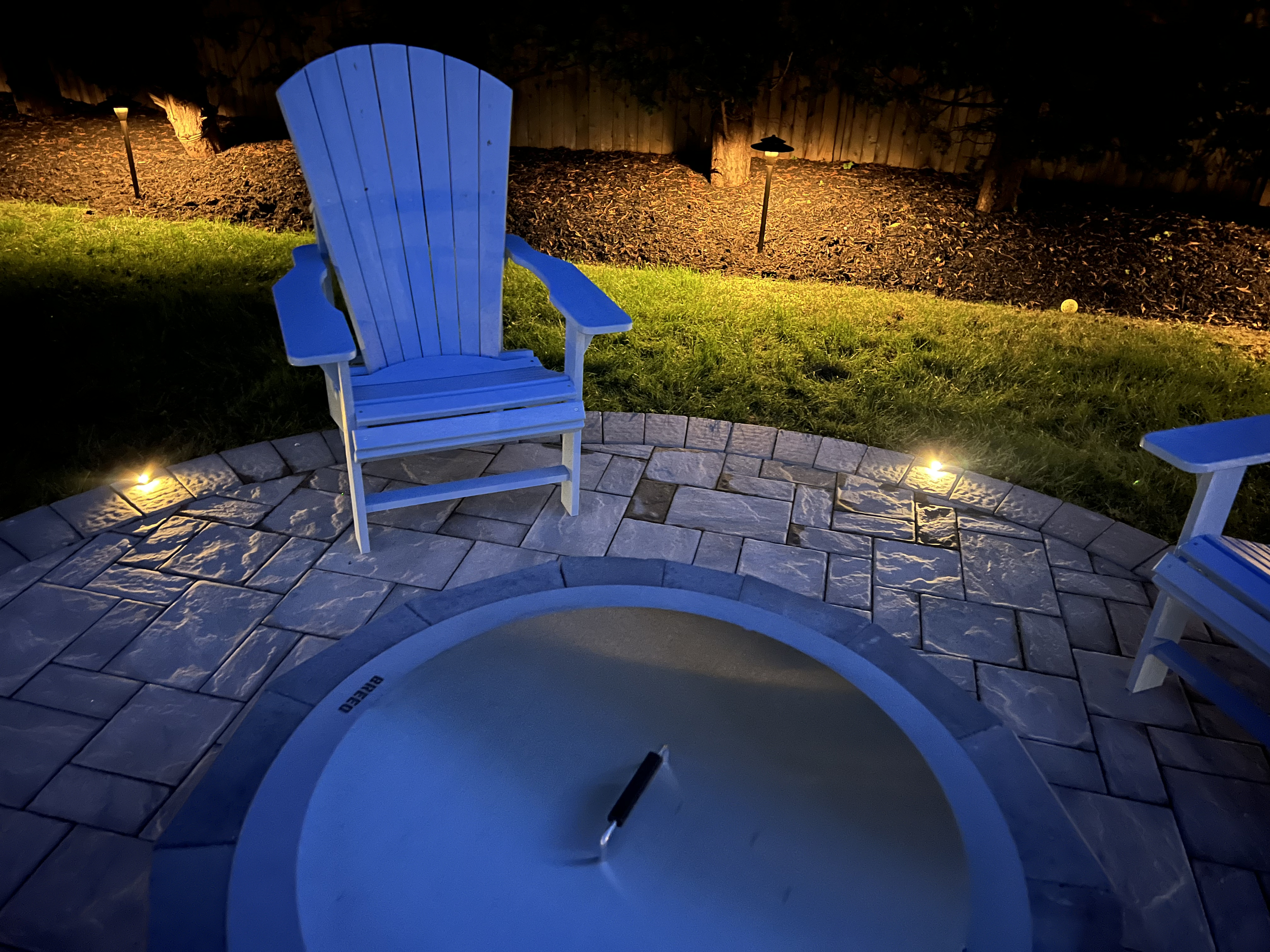
That level of precision requires more than marking approximate fixture locations on a landscape plan. It requires a fixture-by-fixture lighting plan developed around the architecture, landscape, sightlines, and ways the property will be experienced after dark.
What Is a Fixture-by-Fixture Lighting Plan?
A fixture-by-fixture lighting plan documents the intended role and technical requirements of every light in an outdoor lighting system.
Depending on the project, the plan may identify:
Fixture type and model
Exact or recommended placement
Mounting method and height
Light output
Beam angle and distribution
Color temperature
Fixture finish
Intended aiming direction
Control zone or lighting scene
Transformer and power requirements
Installation or concealment details
The result is a coordinated design document that gives the installation team clear direction while helping the homeowner, landscape designer, architect, and other project partners understand how the completed property should look and function at night.
Why Fixture Selection Cannot Be Separated From Lighting Design
Two fixtures placed in the same location can produce dramatically different results.
A narrow beam may emphasize the height and structure of a specimen tree. A wider beam may reveal the canopy more softly. A fixture with too much output can flatten the landscape, create glare, or make a subtle architectural detail feel overly prominent.
The right selection depends on several interconnected factors:
The size and character of the feature being illuminated
The distance between the fixture and its target
The desired brightness and visual hierarchy
The surrounding ambient light
The direction from which the feature will be viewed
The need to conceal the light source
The effect of seasonal growth and landscape changes
A fixture should never be selected solely because it fits into a planting bed. Its optics, output, placement, finish, and adjustability must support the intended effect.
Every Fixture Needs a Purpose
Strong outdoor lighting design begins by deciding what should be seen—and what should remain understated.
Some fixtures provide practical illumination for steps, paths, driveways, gates, and transitions between spaces. Others create atmosphere by highlighting trees, stonework, water features, garden structures, or architectural details.
Each fixture should contribute to at least one clear objective:
Safe Movement
Path, step, and transition lighting should help people move comfortably through the property without making the landscape feel commercial or overlit.
Visual Depth
Strategically placed lighting creates foreground, middle-ground, and background layers. This depth makes a property feel more expansive and visually balanced after sunset.
Architectural Emphasis

Carefully controlled light can reveal texture, rhythm, and materiality without washing the entire façade in uniform brightness.
Outdoor Living
Dining terraces, pools, kitchens, seating areas, and entertaining spaces require lighting that supports how the area will be used while maintaining a relaxed evening atmosphere.
Orientation and Security
Lighting at entrances, gates, driveways, and perimeter areas can improve visibility and awareness without relying on harsh floodlighting.
If a fixture does not serve the design, it should not be included simply to fill a dark area.
Beam Spread, Output, and Aiming Matter
Fixture count alone does not determine whether a lighting design will be successful.
The character of the light matters just as much as its location. Beam spread influences whether an element appears tightly accented or gently illuminated. Output affects visual prominence. Aiming determines whether the eye sees the intended feature or the source of the light itself.
These details are especially important when lighting:
Mature trees and layered plantings
Shingle, stone, brick, and textured façades
Long driveways and entrance sequences
Sculptures and focal points
Pergolas and outdoor structures
Waterfront and pool environments
Changes in grade, steps, and retaining walls
A fixture-by-fixture plan establishes these decisions before installation begins, reducing guesswork in the field.
Designing for Restraint and Glare Control
Luxury landscape lighting is not defined by how much light is used. It is defined by how carefully that light is controlled.
Glare occurs when the eye sees excessive brightness or has a direct view into the light source. It can make a property uncomfortable, distract from the landscape, and diminish the sense of calm that good exterior lighting should create.
Fixture-by-fixture planning helps address glare through:
Thoughtful fixture placement
Appropriate shielding and glare-control accessories
Careful beam-angle selection
Lower, balanced light levels
Precise aiming
Concealment within the landscape or architecture
Coordination with primary indoor and outdoor sightlines
The goal is to experience the illuminated landscape—not the equipment producing the effect.
Planning Around How the Property Is Seen
A landscape is experienced from more than one viewpoint.
The lighting may be seen while approaching the property, walking from the house to the pool, dining on a terrace, looking through a window, or arriving by boat at a waterfront residence. A fixture that works from one angle may create glare or unwanted reflections from another.
A detailed lighting plan considers views from:
Primary interior rooms
Terraces and outdoor seating areas
Driveways and arrival courts
Paths and garden transitions
Pools, docks, and waterfront areas
Neighboring properties and public roads
This viewpoint-based approach helps produce a composition that feels intentional throughout the property, not just from a single presentation angle.
Coordinating Fixtures With the Landscape
Landscape lighting must also respond to a living environment.
Plant material grows. Trees mature. Seasonal foliage changes fixture visibility and light distribution. Maintenance crews need to work around equipment, and fixtures may require adjustment as the landscape evolves.
The plan should account for:
Current and anticipated plant growth
Irrigation and drainage
Lawn and garden maintenance
Snow removal where applicable
Exposure to salt air and coastal weather
Fixture accessibility
Future additions to the landscape
In the Hamptons, material selection and installation quality are especially important. Coastal moisture, salt exposure, shifting soils, landscaping activity, and seasonal property use can all affect long-term system performance.
Coordinating Lighting Zones and Controls
A well-designed property rarely needs every exterior fixture operating at the same level for the same amount of time.
Fixture-by-fixture plans can assign lights to purposeful zones and scenes, such as:
Arrival
Entertaining
Evening landscape
Late night
Seasonal use
This allows the lighting to respond to how the property is being used. The arrival scene may emphasize the driveway and entrance, while an entertaining scene may place greater focus on terraces, pathways, and surrounding landscape layers.
Later in the evening, the system can transition to a quieter setting with reduced illumination and only essential circulation or security lighting remaining active.
Better Plans Lead to Cleaner Installations
A detailed design gives installers more than a fixture count. It provides the intent behind the work.
That clarity helps reduce:
Improvised fixture placement
Inconsistent light levels
Unnecessary fixtures
Visible wiring or poorly located equipment
Conflicts with planting and hardscape
Transformer-capacity problems
Last-minute substitutions
Rework after the landscape is complete
It also improves coordination with landscape architects, landscape contractors, builders, electricians, pool contractors, and property managers.
When these decisions are made early, lighting can be integrated more naturally into planting beds, masonry, steps, walls, structures, and outdoor living areas.
A Lighting Plan Is Also a Long-Term Service Document
The value of a fixture-by-fixture plan continues after installation.
A documented system makes it easier to identify fixtures, locate connections, understand control zones, order appropriate replacement components, and preserve the original design intent during future service.
This is particularly useful when:
A fixture requires repair or replacement
Plant growth changes the lighting effect
A landscape area is redesigned
New outdoor features are added
Control scenes need adjustment
The property changes ownership or management
Without documentation, future service can become an exercise in rediscovering how the system was assembled. With an accurate plan, the system can be maintained and refined with much greater confidence.
From Plan to Final Nighttime Adjustment
A fixture-by-fixture plan provides the foundation, but outdoor lighting should always be reviewed after dark.
Once the system is installed, nighttime commissioning allows the designer to:
Fine-tune fixture aiming
Balance brightness between features
Confirm pathway visibility
Adjust lighting scenes
Respond to real viewing angles
Make final refinements to the overall composition
This final step transforms a technically correct installation into a cohesive nighttime environment.
Designed With Intention, One Fixture at a Time
The most successful landscape lighting systems are not collections of fixtures placed around a property. They are carefully composed designs in which every source of light supports a specific purpose.
At Hamptons Landscape Lighting, we develop fixture-by-fixture lighting plans to create greater clarity before installation, stronger coordination during the project, and a more refined result after sunset.
Every fixture is selected, positioned, and adjusted as part of the larger composition—because thoughtful outdoor lighting is built one deliberate decision at a time.
Planning a new landscape, outdoor living space, or exterior lighting renovation? Contact Hamptons Landscape Lighting to discuss a fixture-by-fixture lighting design for your property.
Frequently Asked Questions About Fixture-by-Fixture Lighting Plans
What is a fixture-by-fixture landscape lighting plan?
A fixture-by-fixture lighting plan identifies the purpose, placement, type, output, beam spread, color temperature, finish, aiming direction, and control zone of each fixture in an outdoor lighting system. It gives the project team clear guidance for installation while documenting the intended nighttime effect.
Why is a detailed lighting plan important?
A detailed plan reduces guesswork during installation. It helps prevent inconsistent light levels, glare, unnecessary fixtures, unsuitable substitutions, power-capacity issues, and conflicts with landscaping or hardscape. It also ensures that every fixture supports the overall lighting design.
Does every landscape lighting project need a fixture-by-fixture plan?
The appropriate level of documentation depends on the size and complexity of the property. However, a fixture-by-fixture plan is especially valuable for luxury residences, waterfront properties, mature landscapes, new construction, extensive renovations, and projects involving multiple outdoor living areas.
What information should be included for each fixture?
A comprehensive plan may include the fixture manufacturer and model, location, mounting method, light output, beam angle, color temperature, finish, shielding, aiming direction, transformer assignment, control zone, and installation notes.
How do you determine where each landscape light should be placed?
Placement is based on the feature being illuminated, the desired lighting effect, surrounding ambient light, primary viewing angles, plant growth, glare control, maintenance access, and how people move through the property. Fixtures should be located according to design intent rather than evenly spaced throughout the landscape.
How many outdoor lighting fixtures does a property need?
There is no universal fixture count. The number depends on the property's size, architecture, landscape, circulation paths, outdoor living areas, and desired atmosphere. A restrained design may use fewer carefully selected fixtures to create a more refined result than a system that attempts to illuminate every area.
How does beam spread affect outdoor lighting?
Beam spread determines how narrowly or broadly a fixture distributes light. Narrow beams can emphasize tall trees, columns, and specific architectural details, while wider beams may softly illuminate façades, canopies, or planting areas. Selecting the correct beam spread helps achieve the desired effect while limiting spill light.
What color temperature is best for landscape lighting?
Warm color temperatures are generally well suited to residential landscapes because they complement natural materials, plantings, and evening environments. The most appropriate specification depends on the architecture, surface materials, surrounding light, and design goals. Consistency and careful coordination are more important than selecting one temperature for every application.
Can landscape lighting be divided into different scenes or zones?
Yes. Fixtures can be organized into zones and scenes for arrival, entertaining, pathways, terraces, pools, security, late-night use, and other purposes. Controls allow the property to use only the lighting needed for a particular activity or time of evening.
How does a fixture-by-fixture plan help control glare?
The plan addresses glare through fixture placement, shielding, beam-angle selection, output levels, concealment, and precise aiming. It also considers views from windows, terraces, pathways, neighboring properties, roads, pools, and waterfront areas.
Does the lighting plan account for future plant growth?
It should. Trees, shrubs, and ornamental plantings change over time and can eventually block or redirect light. A thoughtful plan considers mature growth, seasonal foliage, landscape maintenance, and the ability to adjust fixtures as the property evolves.
Are special fixtures needed for Hamptons and coastal properties?
Coastal properties require careful attention to fixture construction, finishes, connections, drainage, and installation methods. Salt air, moisture, irrigation, shifting soil, and seasonal conditions can shorten the life of unsuitable equipment. Fixtures and components should be selected for the property's specific exposure.
Can a lighting plan be coordinated with a landscape architect or builder?
Yes. Early collaboration allows the lighting design to be integrated with planting plans, masonry, steps, walls, pools, driveways, drainage, electrical infrastructure, and outdoor structures. This coordination can produce a cleaner installation and reduce changes after construction is complete.
Is the lighting design finished once the fixtures are installed?
No. The system should be reviewed and commissioned after dark. During the nighttime adjustment, each fixture can be aimed, dimmed, shielded, or repositioned to balance the composition, improve visibility, reduce glare, and confirm that the completed result matches the design intent.
How does a lighting plan support future maintenance?
The plan creates a record of fixture models, locations, control zones, power assignments, and design intent. This documentation makes it easier to service the system, order replacement parts, adjust fixtures as the landscape grows, and expand the lighting without starting over.
Can Hamptons Landscape Lighting create a plan for an existing property?
Yes. An existing lighting system can be evaluated to identify coverage gaps, glare, aging fixtures, inconsistent color, inadequate controls, maintenance problems, and opportunities for improvement. A new fixture-by-fixture plan can guide a complete redesign or a phased lighting upgrade.